
Committee advances bill requiring a brief fetal‑development video as minimum health‑education resource
Get AI-powered insights, summaries, and transcripts
Subscribe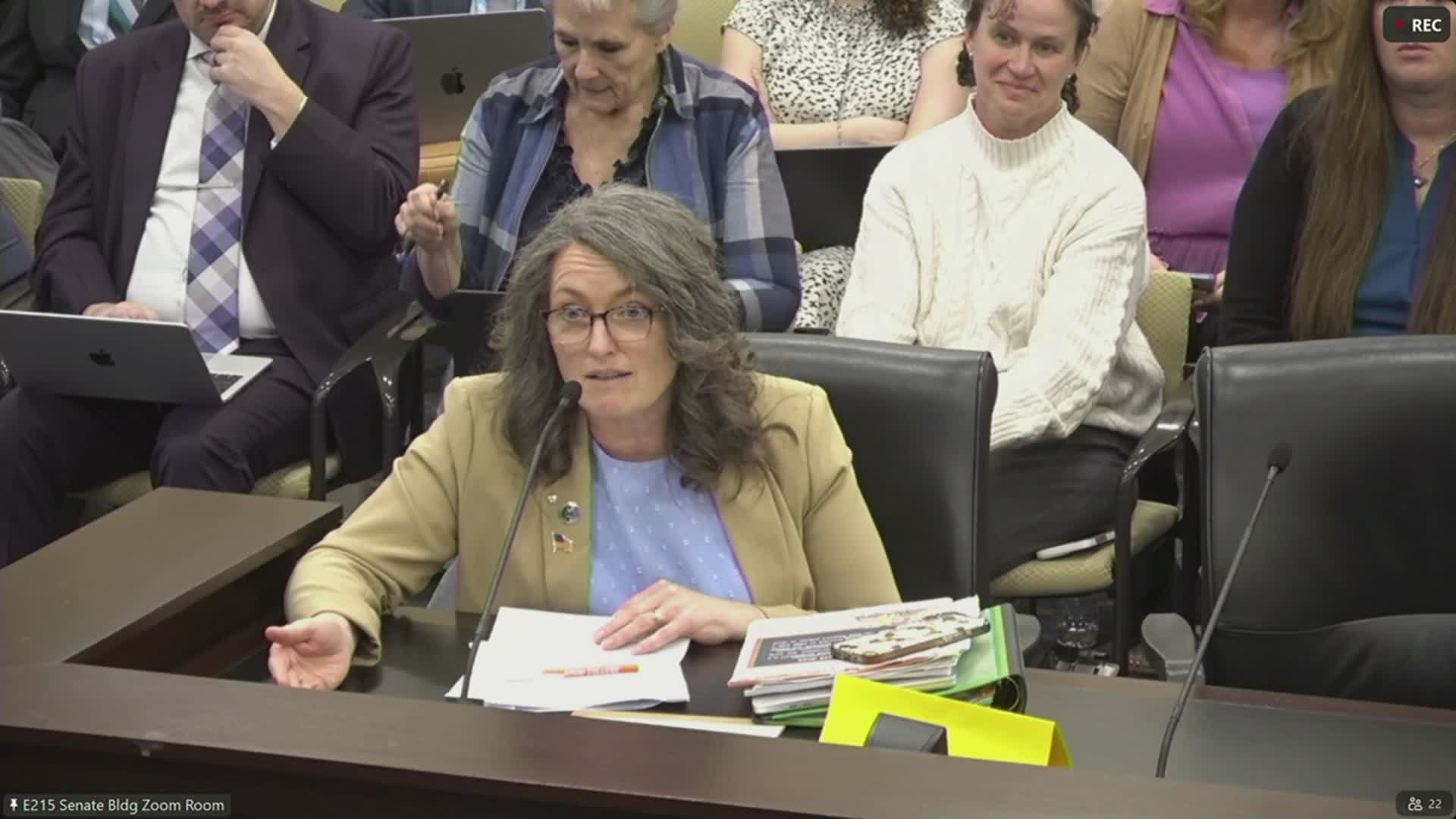
Summary
Second substitute HB 315 would require a minimum three‑minute video on fetal development as part of health standards; the committee recommended the bill despite objections from local educators citing redundancy and local‑control concerns.
The Senate Judiciary Committee on March 4 favorably recommended second substitute HB 315, which sets a minimum standard that students be shown at least a short (three‑minute minimum) video depicting fetal development as part of health‑education standards.
Representative Peck, the sponsor, said the provision fills a conceptual gap in previous instruction: "So basically what this bill does is it creates a minimum standard for teaching about human fetal development which is part of the health standards... It is a required 3 minute video."
Public testimony split along lines of local control and content. Several experienced health teachers and district officials argued the law is overly prescriptive and redundant with existing USBE standards and local LEA curriculum processes; Chelsea Acosta, a veteran middle‑school health teacher, told the committee the bill ‘‘violates parental rights’’ and undermines local control. Utah PTA and several district health‑education chairs and committees raised concerns about medical accuracy, nomenclature and the prescriptive nature of mandating specific video content.
Supporters including Pro Life Utah, Utah Legislative Watch, and Utah Eagle Forum said the video is a minimal, medically educational resource that some students currently do not see and that it could shape understanding of human development. Medical witnesses and associations disagreed on specific source materials and urged use of medically accurate nomenclature and local review.
The committee debated vendor concerns and opt‑in/opt‑out mechanics; the sponsor and supporters said the provision is opt‑in as part of health education and that USBE can choose compliant videos. The committee ultimately voted to favorably recommend the substitute (the transcript records the motion passing 4–2 with named negative votes in the record). Sponsors and members noted continued conversation with USBE and stakeholders would continue before floor action.
Why it matters: The bill affects K‑12 health instruction and raises questions about local control, medical accuracy, opt‑in/opt‑out procedures and curriculum selection, generating strong testimony from both educators and advocacy groups.
Next steps: HB 315 will move to the Senate floor with a favorable recommendation; sponsors and USBE will coordinate to clarify implementation details and terminology.