
Lawmakers consider tax credits and survivor coverage to shore up volunteer fire ranks
Get AI-powered insights, summaries, and transcripts
Subscribe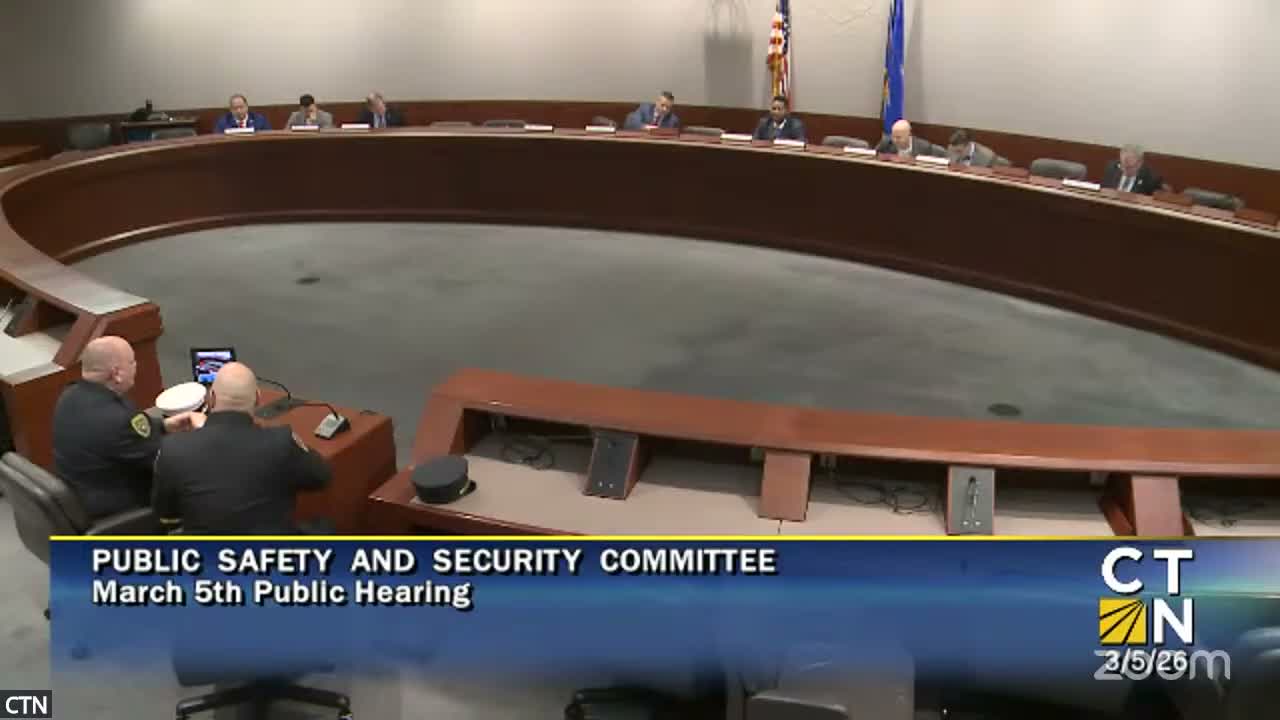
Summary
Witnesses described a long decline in volunteer firefighters, suggested stipend tax relief and a personal income tax credit for active volunteers, and urged extending survivor health‑insurance protections to volunteers and marshals.
Volunteer firefighters, chiefs, and legislators urged the Public Safety Committee to act on several measures aimed at reversing long‑term declines in volunteer ranks and to close gaps in survivor benefits.
Volunteer leaders and chiefs described decades‑long declines in membership and said stipends and small tax benefits can be effective recruitment and retention tools when paired with training and family supports. Several witnesses urged eliminating income taxes on modest stipend checks or providing a $2,500 personal income‑tax credit for eligible volunteers (House Bill 5206) so young volunteers are reached even if they do not own property and therefore cannot access property‑tax credits.
Representative Rebecca Martinez and others presented House Bill 5403/5404 proposals to extend survivor health insurance coverage and continuity of benefits to spouses and dependent children of volunteer firefighters, correctional officers and state marshals killed in the line of duty. Martinez cited a Plainville family whose spouse (a long‑time volunteer) died in the line of duty and pointed out the surviving spouse faced immediate COBRA costs.
Witnesses and committee members discussed eligibility and operational details: chiefs described minimum ‘‘good standing’’ requirements in practice (example thresholds included attending 30% of trainings and 15% of calls, per some departments), and legislators said they would work with fire administrators and chiefs to standardize criteria so credits and survivor benefits reach active volunteers. The committee asked for follow‑up on fiscal impact and drafting details before moving legislation forward.