
Families press committee to mandate insurance coverage for PANS/PANDAS treatments
Get AI-powered insights, summaries, and transcripts
Subscribe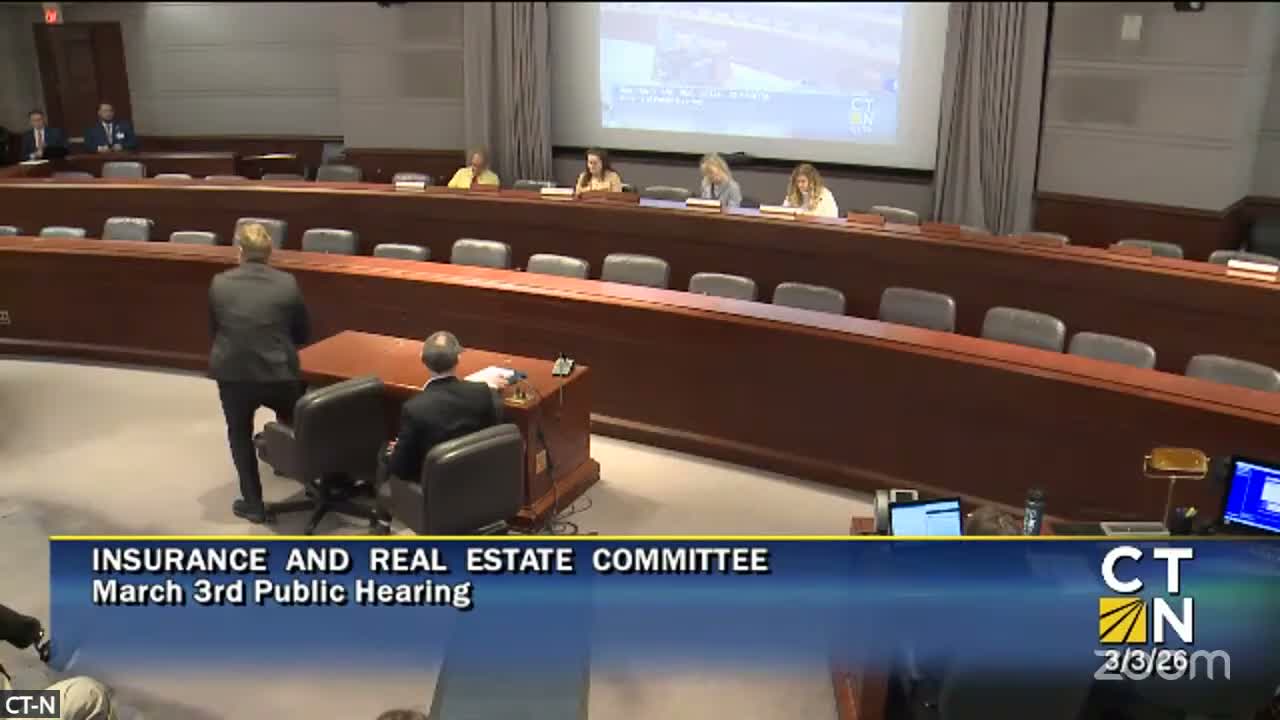
Summary
Parents, clinicians and advocates urged lawmakers to pass HB 5374 to require insurers to cover medically necessary treatments for PANS/PANDAS, including high‑cost IVIG infusions, saying delayed coverage causes lasting harm and other states show minimal premium impact.
Families of children diagnosed with PANS/PANDAS and clinicians told the Insurance and Real Estate Committee that lack of consistent coverage for immune‑targeted treatments imposes severe medical and financial harm and can convert treatable illness into chronic disability. "No one should have to choose between one child over another," said Gabriela True, who spoke about delayed diagnosis and unaffordable treatments for her son and urged lawmakers to require coverage for IVIG and related medically necessary care.
Multiple parents testified that insurance denials and prolonged appeals delayed care, contributed to missed school, lost wages, and protracted special‑education costs. Barbara Rutkowski described paying tens of thousands out of pocket and temporary loss of employment; she said when her daughter eventually received IVIG it produced improvement, but the delay had caused irreversible losses.
Clinicians supporting the mandate said earlier treatment can improve outcomes and reduce long‑term costs to families and public systems. Lauren Brush, a clinical psychologist, said her son required IVIG and specialized care that would have been difficult to obtain without professional advocacy and connections. Public testimony cited experience in 15 other states and a Rhode Island report finding little premium impact after coverage mandates.
The committee asked for clinical evidence, cost estimates and policy language to ensure medical necessity criteria and prior‑authorization safeguards are clear; witnesses said such safeguards already exist in the written testimony submitted to the committee. Lawmakers said they would review the studies and written materials and consider how to scope coverage in bill language. The panel did not take a vote on March 3.