Carol Stream advances stormwater work and pilot real-time control for Cline Creek watershed
Loading...
Summary
Staff outlined underdrain and stream bank stabilization projects and described a proposed real-time control pilot using sensors and variable valves for the Cline Creek watershed; one streambank section has $1,000,000 in grant funding and construction is expected late 2026 into 2027.
Carol Stream staff on March 2 detailed multiple stormwater investments aimed at reducing localized flooding, improving water quality and stabilizing eroding stream banks.
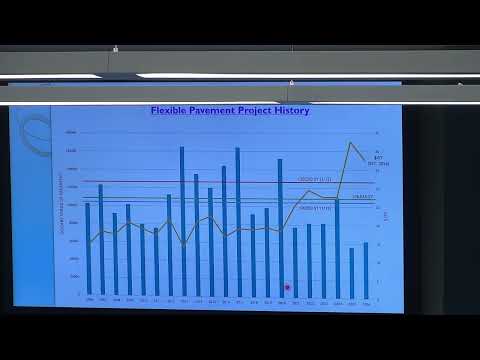
Adam Frederick described a roadway drainage and underdrain program that repairs storm structures in roadway sections and installs underdrains in areas prone to repetitive icing and drainage problems. He said the village has sometimes packaged this work with the flexible pavement project to achieve better pricing.
The presentation also described a proposed real-time control system for the Cline Creek watershed that uses sensors, weather forecasts, software and variable valves to manage basin storage more effectively without adding basin footprint. Frederick said a feasibility study (citing the company Opti, which holds a U.S. patent for the system) identified critical basins; an EPA Gulfstream pilot grant would cover three basins (Carroll Point, Gary Kehoe Reservoir and North Hills). Design and construction per location were estimated at over $100,000, with annual maintenance of software, sensors and valves estimated at $10,000–$15,000 per location.
On stream bank stabilization, staff reported that earlier sections are complete and that Section 2 is in design with $1,000,000 in grant funding and construction anticipated late 2026 into 2027. That section is "backyard to backyard" with limited access and privacy concerns; staff said they will work within existing drainage easements and may need temporary easements and limited fence impacts during construction.
Why it matters: watershed improvements and bank stabilization reduce flooding risk for roads and private property and create opportunities for additional water-quality grant funding. The pilot real-time control system also could reduce downstream flows during certain rain events and improve eligibility for water-quality grants.
Next steps: staff will pursue grant funding, complete phase 1 engineering where required, and return with schedules and design documents for board review.