State superintendent urges more work‑based learning, dual‑enrollment review and life‑skills study
Loading...
Summary
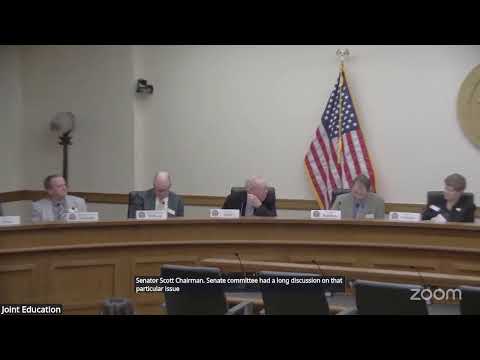
State Superintendent Megan Degenfelder told the Joint & Standing education committee she wants a statewide review of work‑based learning and dual/concurrent enrollment, a clearer way to credit life‑skills instruction and a closer look at gifted‑and‑talented programs.
Megan Degenfelder, Wyoming’s state superintendent of public instruction, told the Joint & Standing education committee the Department of Education will pursue a set of interim analyses aimed at expanding individualized, student‑centered learning.
Degenfelder outlined three priorities within that theme: optimizing work‑based learning and dual and concurrent enrollment, defining and crediting life‑skills instruction such as financial literacy and soft skills, and examining how districts meet statutory obligations for gifted‑and‑talented programs. “We’re working currently on updating the accountability model as it relates to the fifth indicator for post‑secondary readiness,” she said, and added the state is examining how to give credit for work‑based learning in that model.
On dual and concurrent enrollment, Degenfelder said community colleges report the largest area of growth is students taking college courses while in high school, but funding streams differ across the state and questions remain about outcomes. She asked the committee to support analysis of SLEDS data to test whether students taking dual enrollment truly graduate earlier or merely accumulate additional credits. “Are they actually graduating any earlier than they would have?” she asked, noting the need to avoid “double paying” for credits that later are covered by scholarships.
When asked by Senator Rothfuss whether the analysis would account for students who intentionally use dual credits to pursue additional majors or minors, Degenfelder said the SLEDS review will consider both time‑to‑degree and the incidence of remediation; she noted roughly 45% of Wyoming graduates take a remedial course and said that must factor into evaluating dual‑enrollment effectiveness.
Degenfelder also urged a statewide look at life‑skills instruction, from financial literacy to interpersonal skills and “modern home economics,” because offerings vary widely. She said roughly seven districts currently make financial literacy a graduation requirement and offered to provide exact numbers to the committee for follow‑up. On gifted and talented programs, she requested a review of district practices and screening tools to determine how those statutory programs are implemented statewide.
Nut Graf: The superintendent framed these items as analytically driven priorities rather than immediate requests for statutory change, asking the committee to support data collection and review so the state can refine funding, accountability measures and program incentives.
Committee members signaled interest in international comparisons of assessment outcomes and more granular analyses of student trajectories. The committee did not take formal action; Degenfelder said the department will proceed with landscape and SLEDS analyses and stand ready to return with findings for possible interim study or legislation.