
GSA administrator warns of billions in deferred maintenance, urges higher prospectus thresholds
Get AI-powered insights, summaries, and transcripts
Subscribe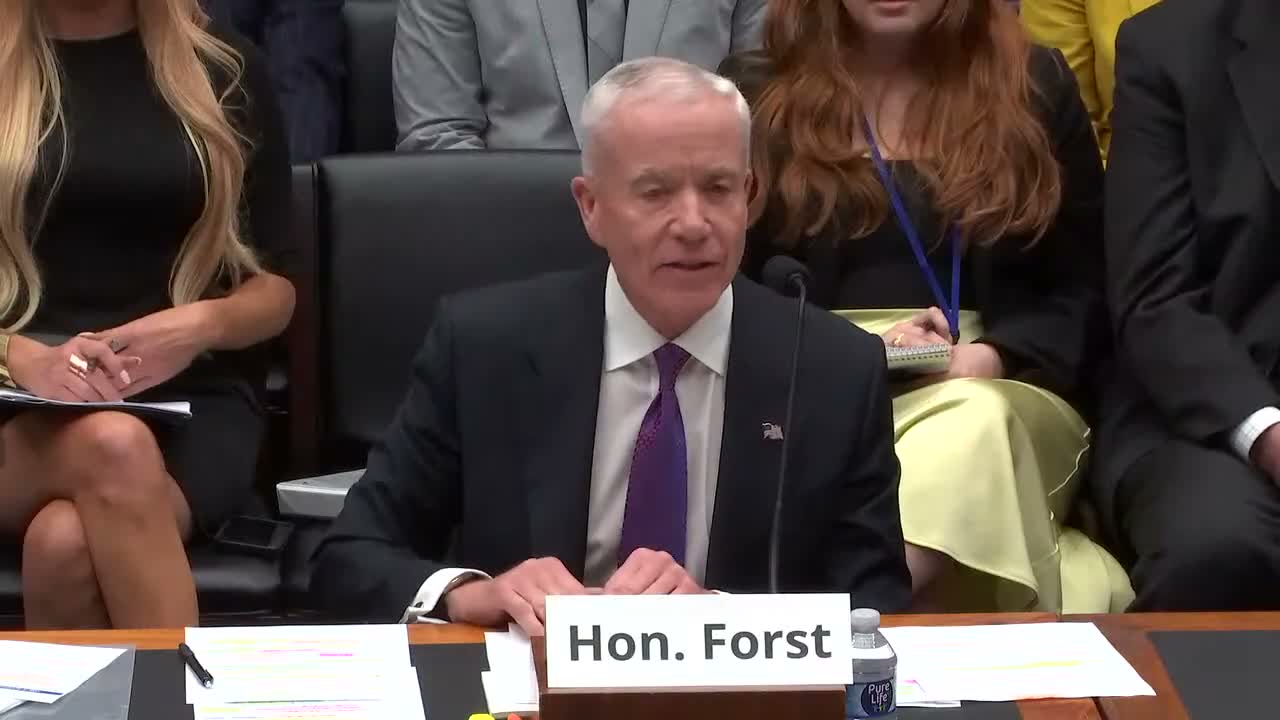
Summary
GSA Administrator Ed Forrest told a House subcommittee that deferred maintenance across federal real estate is enormous and that GSA needs greater access to funds and higher prospectus thresholds to move repairs and disposals faster; he urged Congress to back a "Project 410" mindset to cut procurement timelines.
GSA Administrator Ed Forrest told the House Transportation and Infrastructure subcommittee that the agency faces a sweeping deferred-maintenance problem and needs new authorities and funding to fix it. "My name is Ed Forrest," he said in his opening remarks, and described hiring independent construction and engineering consultants to catalog federal properties and quantify the true liability.
Forrest said previously published estimates of deferred maintenance vary widely and cited an internal figure of about $26 billion while noting some reports show a liability as high as $340 billion. "It may be eye popping," he said, adding that GSA will bring the assessment to the subcommittee when complete. He told lawmakers GSA has sought two main changes from Congress: full access to the Federal Buildings Fund and higher prospectus thresholds.
Lawmakers pressed Forrest on the mechanics and consequences of the shortfall. The chair noted that GSA has had its access to the Federal Buildings Fund limited and asked how that affects maintenance; Forrest said roughly $16 billion has been diverted since 2011, about $22 billion in today's dollars, and that withheld funds have left buildings with leaking roofs, broken elevators and other hazards. "Here's a piece of Hoover concrete that fell down," he said, describing safety impacts on tenants.
Forrest urged raising the statutory prospectus threshold (currently cited in testimony as about $3,900,000) so that routine but costly repairsfor example, replacing multiple elevators or a large boilerdo not stall for many months awaiting committee approvals. He described current average timetables: 436 days for a major prospectus approval and 325 days for major new construction, and said the agency should aim for speed and discipline exemplified by "Project 410," a cultural initiative named after the Empire State Building's construction timeline.
Several members emphasized the need for safeguards. Full committee ranking member Larson asked for legal counsel or detailed prospectus proposals; Forrest said he would provide follow-up materials and pledged to post finalized occupancy and utilization data on gsa.gov by March 31. On disposal strategy, Forrest said GSA would curate sales rather than simply posting properties online, and proposed recycling proceeds from disposals toward renovations of retained assets.
The subcommittee did not take formal action at the hearing. Forrest said GSA will return written answers on specific prospectus and leasing questions and provide requested legal or procedural material.