Get Full Government Meeting Transcripts, Videos, & Alerts Forever!
Get email alerts on the Workers Compensation topic
No spam. Unsubscribe anytime.
Insurers and lawyers clash over proposed limits to workers' compensation incapacity benefits for retirees
Summary
Attorneys for injured workers and municipal retirees opposed HB 5267, warning that denying total incapacity benefits to retirees would leave disabled older workers without support; insurers argued restricting benefits restores predictability and limits shifting costs to taxpayers.
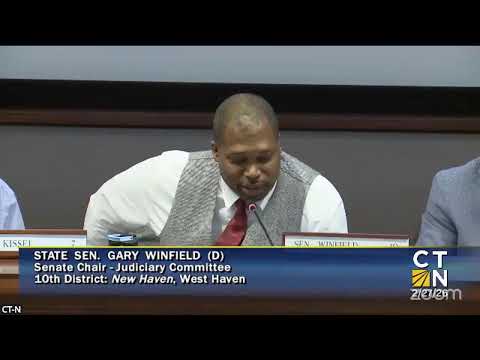
The Judiciary Committee heard sharply divided testimony on HB 5267, a proposal to limit eligibility for temporary total incapacity benefits when an injured worker has retired.
Attorney Eric Chester, representing injured workers and unions, told the panel the bill would "fundamentally undermine nearly a century of settled workers' compensation law" and unfairly deny benefits to retirees who become totally incapacitated because of a workplace injury. He cited Cochran v. Department of Transportation, a recent Connecticut Supreme Court decision that recognized the loss-of-earning-capacity basis for some retired claimants to receive benefits.
Insurers' representative Brooke Foley urged the committee to support HB 5267 for predictability and cost control. "Allowing benefits in situations where there's no loss of wages by workers who have voluntarily left the workforce risks diverting limited resources away from employees who are actively working and who depend on the system," she said.
Multiple witnesses pressed the practical difficulty of judging an injured retiree's intent to return to the workforce and the potential for cost-shifting to municipalities and taxpayers. Opponents argued the bill would create hardship for retirees on fixed incomes who face unexpected medical needs or surgery attributable to a work injury.
Ending: The committee collected adversarial testimony; members asked clarifying questions about the Cochran decision, intent evidence and offsets for pensions. No action was recorded on the bill during the hearing.