Get Full Government Meeting Transcripts, Videos, & Alerts Forever!
Get email alerts on the Planning And Zoning topic
No spam. Unsubscribe anytime.
Sedona council interviews Keith Meyer for planning and zoning seat as members weigh new state law limits
Summary
The Sedona City Council interviewed planning-and-zoning applicant Keith Meyer, who said his commercial real-estate experience and work on long-term projects would inform decisions. Councilors and staff discussed the effect of recent state law HB 2447, which removed development review from P&Z responsibilities.
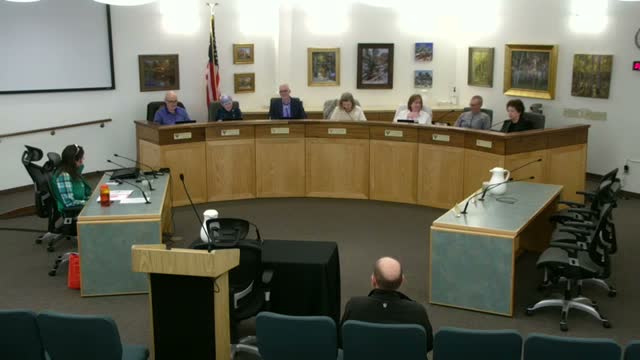
Sedona’s City Council interviewed commercial real-estate broker Keith Meyer on Jan. 13 as part of a special meeting to fill a vacancy on the Planning and Zoning Commission. Meyer, who described more than two decades working in commercial real estate and planning contexts, said he applied to offer perspective from other communities and to help the city plan for the long term.
Meyer told the council he has been a licensed commercial real-estate broker for more than 20 years and cited experience in communities such as Santa Fe and Cincinnati. “If it meets that criteria, then it should be approved,” he said when asked whether he would vote for a zone change or conditional-use permit he personally disliked, describing his decision filter as legality, morality and practicality.
A city staff member explained during the interview that the state recently passed HB 2447, which, as discussed in the meeting, removed development review from the Planning and Zoning Commission’s routine responsibilities and left zoning changes, conditional-use permits and code changes under the commission’s purview. Councilors said that change prompted them to narrow and edit the standard applicant questionnaire: they agreed to eliminate one question and to modify another so it focuses on zoning and discretionary actions that remain within P&Z’s authority.
During questioning, Meyer described two past projects to illustrate his approach. He said a solar facility in Belen, N.M., required extensive community education and a long-term ground lease but ultimately created local jobs and long-lived infrastructure; by contrast, he recounted a residential project that was legally permitted but became mired in politics and litigation, taking four years to reach approval and requiring concessions that raised costs.
Councilors also pressed Meyer on local knowledge and availability. He said he has lived in Sedona about five years, travels for work but can attend the commission’s new once-a-month meetings, and is not currently licensed or actively representing clients in Arizona. He acknowledged he had not yet mastered the Sedona community plan or the land-development code and described being willing to prepare case materials and work with staff to get up to speed.
The council’s questions also covered community themes and practical concerns. Meyer suggested Sedona could benefit from a clearer city brand similar to peer resort towns and flagged traffic, sign visibility and the trade-offs between higher design expectations and added development costs as ongoing issues. On public input, he said staff recommendations should be verified for factual accuracy and that public comment must be weighed to distinguish legitimate objections from reflexive anti‑change sentiment.
The council paused the public portion of the meeting to move into executive session on a personnel matter. After the closed session the council approved a resolution related to enforcement waivers and adjourned. The interview and the edits to the standard applicant questions are expected to inform the process used for forthcoming P&Z appointments.