Get Full Government Meeting Transcripts, Videos, & Alerts Forever!
Get email alerts on the Right Of Way Swales topic
No spam. Unsubscribe anytime.
Resident urges Tequesta advisory committee to reject proposed swale and right‑of‑way code changes
Summary
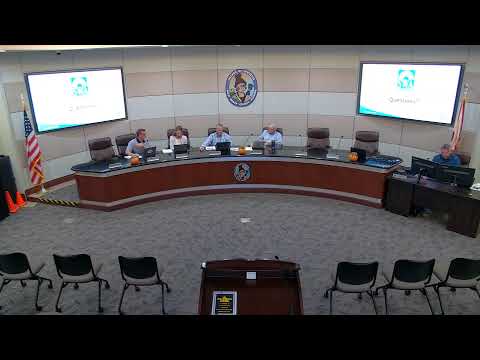
At a meeting of the Village of Tequesta Environmental Advisory Committee, resident Marissa Puri warned that a proposed rewrite of right‑of‑way and swale code (including Section 78‑3‑95) would eliminate bioswales, strip street trees and impose punitive enforcement; committee members asked staff to workshop technical tradeoffs before council action.
Marissa Puri, a Village of Tequesta resident, told the Environmental Advisory Committee that a draft right‑of‑way code presented at a recent council workshop would be ‘‘ecologically devastating’’ for the village’s stormwater management and tree canopy. She said the proposal, already circulated in ordinance text form, appears to favor sod‑only swales, a restrictive approved‑plant list and significant fines and penalties that could allow staff to remove existing vegetation without notice.
"From an engineering design standpoint, the swales are swales. I don't want anything in the swales," Puri quoted the presenter from the council workshop, describing the draft's tone. She said the village’s existing 2019 swale policy promotes low‑impact design and expressly allows trees and shrubs in swales, and that the draft would reverse those protections and reduce the village’s ability to infiltrate stormwater, mitigate flooding and preserve street trees.
Committee members pressed Puri for specifics and asked why the proposal was advanced. Puri said the workshop presentation described the change as a unification of scattered code language, but the version shown at council appeared to be formal code text and — as written — could require immediate compliance that would render existing plantings out of compliance. "As it was written, it did require immediate compliance," she said.
Members expressed shared concerns about a blanket approach. One committee member noted that rights of way vary across neighborhoods and that a single, prescriptive standard could create barren, treeless corridors in places where trees and bioswales both function and provide benefits. Another committee member suggested staff should present site‑specific engineering reasons for limiting vegetation (for example, pipe access or swale functionality) before a final recommendation goes to council.
The committee asked village staff to invite the utilities director and public works director to a future meeting to workshop the technical and maintenance tradeoffs, and to circulate the ordinance text to any committee members who could not access it online. Committee members also agreed to review the council workshop recording and the proposed text before discussing a unified response. Staff said the council is unlikely to bring a formal ordinance back before December or January, giving the EAC time to prepare recommendations.
Next steps: the EAC will request staff and utility directors to attend a workshop, circulate the draft code to members who lack access to the village portal, and compile practical situations where trees could be permitted in swales. No formal vote or recommendation to council was recorded at the meeting.