
Brookline officials outline $3 million shortfall and put operating override on the table before March deadline
Get AI-powered insights, summaries, and transcripts
Subscribe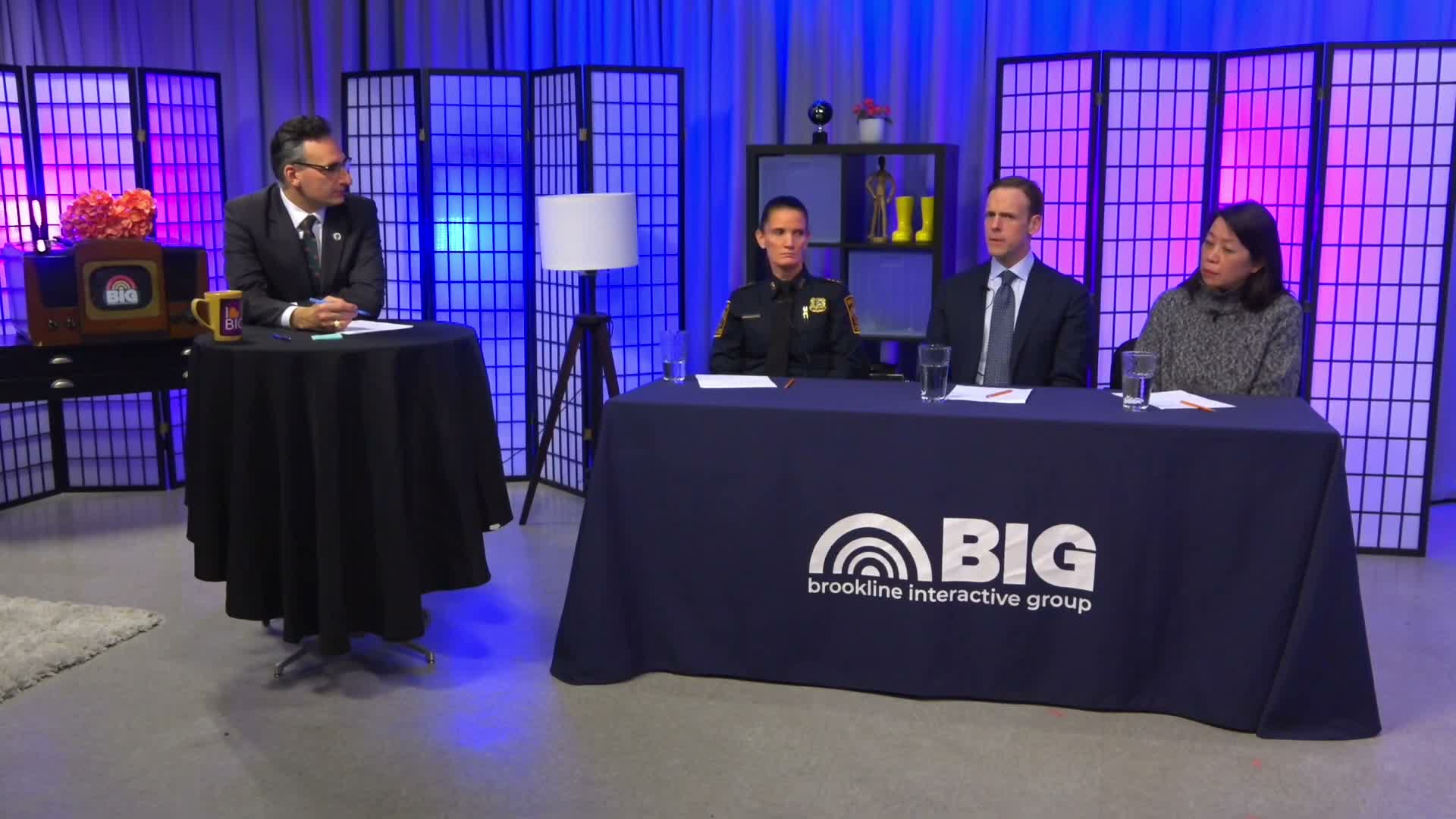
Summary
Town and school leaders described a projected FY27 budget gap driven by rising health-care and utility costs, and limited Prop 2½ revenue; the Select Boardmay decide by March 31 whether to place an operating override on the May 5 ballot to close the gap.
Brookline town officials and the superintendent of schools warned on a televised special that the town faces a projected FY27 budget gap of roughly $3 million and that the Select Board could ask voters in May to raise property taxes to close it.
"Utility costs are going up. The cost of health care is increasing dramatically," Chaz Carey, Brooklinetown administrator, said in the studio, summing up the principal cost pressures the town cannot control. Carey said the townfaces a combination of rising fixed costs and reduced purchasing power from state aid that is widening the fiscal gap.
The potential remedy under active consideration is an operating override under MassachusettsProposition 2½, a permanent increase in the property tax levy that the Select Board would need to place on the municipal ballot. Carey said an Expenditures and Revenues Study Committee, appointed by the Select Board and meeting for more than a year, is expected to finish work in mid-March and that the Select Board may vote by March 31 on whether to put an override question before voters on May 5.
Why it matters: Brookline receives about 72% of its revenues from property taxes, Carey said, and small changes in fees or fines are insufficient to close the shortfall. He estimated that potential increases in parking fines and other fees might bring $1.0to1.2 million at best, while the town-level shortfall is nearly $3 million and those revenues would be split roughly 60% to schools and 40% to the town.
Superintendent Bella Wong framed the schoolsposition as part of the same shared budget reality. "Staffing is the heart of our budget," Wong said, noting that most school dollars pay for wages and benefits and that rising health-care costs are carried on the town side and reduce available allocations for the schools.
Officials discussed trade-offs. Carey said the town has held six police positions open to manage costs tied to a recent bargaining agreement, but acknowledged that leaving posts vacant increases overtime and strains service capacity. "If relief doesn't come, it's more overtime," Chief Jen Pastor said, adding that overtime erodes the department's ability to provide detective and behind-the-scenes work.
Procedural steps and public information: Carey outlined options for ballot design (single number, tiered questions or targeted asks), said the deadline for the Select Board to set a question is March 31, and said that the town will publish an online override calculator showing the household-level tax impact once the dollar amount is set. If the question appears on the May 5 municipal ballot and receives a simple majority, it would take effect for the next fiscal year beginning July 1.
Next steps: The Expenditures and Revenues Study Committee will conclude its work in mid-March; the Select Board is scheduled to meet before March 31 to decide whether to place a question on the May 5 ballot. The town plans public "budget 101" sessions and online materials to help residents understand the impacts.
(Reporting note: quotes and figures in this article come from a March 5 studio panel featuring Chaz Carey, town administrator; Bella Wong, superintendent of Brookline Public Schools; and Jen Pastor, Brookline police chief, on Brookline Interactive Group.)