Get Full Government Meeting Transcripts, Videos, & Alerts Forever!
Get email alerts on the Environment topic
No spam. Unsubscribe anytime.
Council approves municipal setting designation for 1520 East Abram Street to limit shallow‑groundwater use
Summary
The council granted a municipal setting designation (MSD) for 1520 East Abram Street after Atlas Technical Consultants described solvent impacts to shallow groundwater from an on‑site former dry cleaner; staff and the consultant said municipal water supplies protect local drinking water and the MSD will limit groundwater uses at the site.
The Arlington City Council adopted an ordinance granting a municipal setting designation (MSD) for 1520 East Abram Street after a staff presentation and technical summary from Atlas Technical Consultants.
Alex Whiteway, the city’s director of water utilities, introduced the request and said the city does not use local groundwater for drinking; Arlington purchases treated water from the Tarrant Regional Water District fed by several reservoirs. Environmental consultant Jeff Gibbs said he had monitored the site since installing wells in 2021 and that chlorinated solvents — including tetrachloroethylene (PCE) and trichloroethylene (TCE) and cis‑1,2‑DCE — from a former dry cleaner have impacted shallow groundwater beneath the property.
Gibbs said the MSD would “restrict access to and the use of shallow groundwater beneath the designated site to protect public health and welfare where the quality of groundwater may present an actual or potential threat to human health.” He added that there are no drinking wells in the area and that the property and surrounding parcels are connected to the city water system.
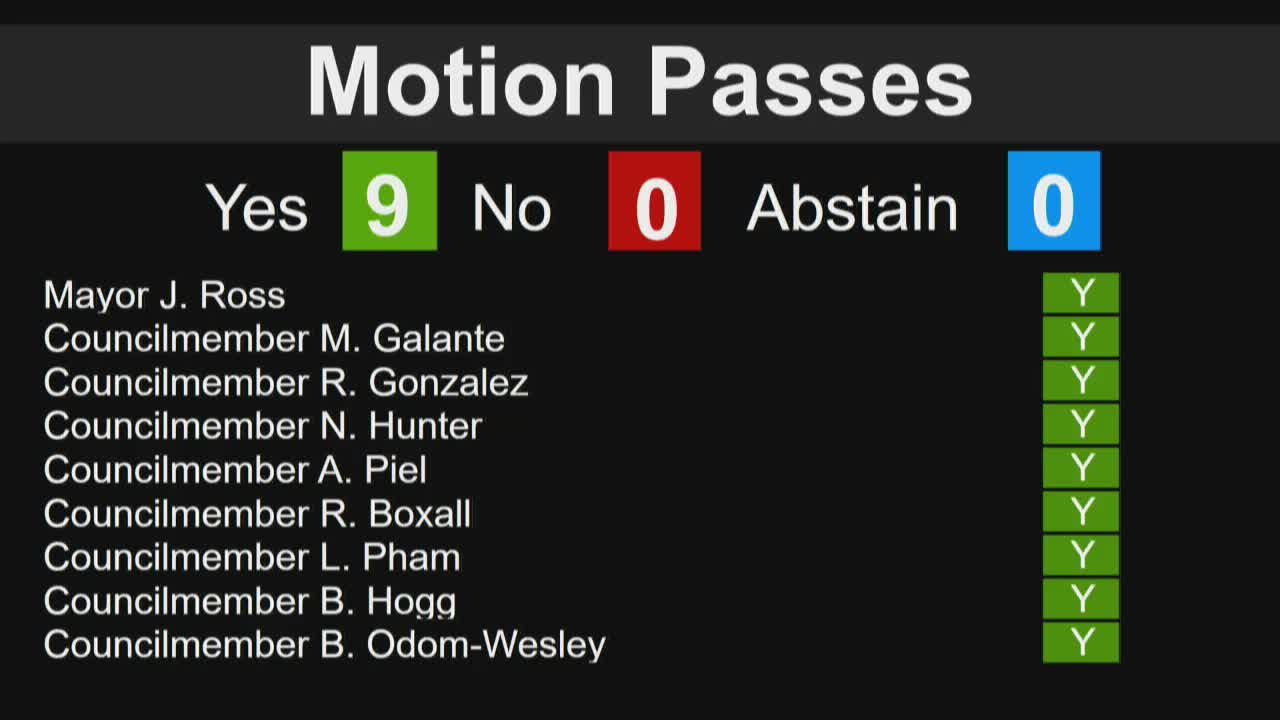
Council closed the public hearing and approved the MSD ordinance on a motion recorded in the meeting minutes. The MSD does not itself remediate contamination; it limits future uses of shallow groundwater at and near the site and is a tool to protect public‑health exposure pathways while any environmental work continues under state oversight.