Get Full Government Meeting Transcripts, Videos, & Alerts Forever!
Get email alerts on the Opioid Settlement topic
No spam. Unsubscribe anytime.
Evanston council approves joining new opioid settlement covering five manufacturers and retailers
Summary
The Evanston City Council voted to authorize a memorandum of agreement tied to a new nationwide opioid settlement that includes Teva, Allergan, Walgreens, Walmart and CVS; the city expects a local allocation and council members said the funds must be used for opioid‑related purposes such as treatment, education or law enforcement.
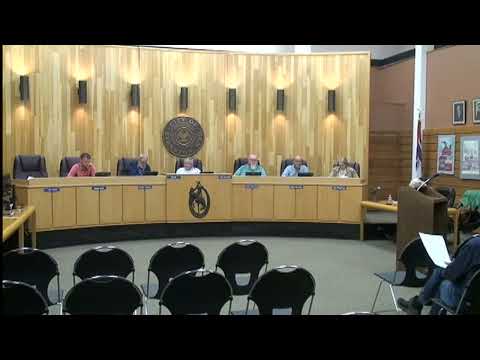
The Evanston City Council on April 11 approved Resolution 23‑27 authorizing the city to execute a memorandum of agreement related to a national opioid settlement that covers Teva, Allergan, Walgreens, Walmart and CVS.
Miss Kirby, who read the resolution to the council, said the agreement follows an earlier Janssen settlement and that the state’s allocation to locals will be distributed so that "the locals get 75% of the total that the state gets." She told the council that allowable uses outlined in the agreement are broad, including treatment, education and law enforcement.
Council members moved and seconded the resolution and approved it by voice vote; the record shows ayes and the mayor declared the measure approved. The transcript did not record a roll‑call tally or the exact dollar amount Evanston will receive.
City officials said they will return to the governing body before any of the settlement funds are expended so the council can decide specific programs or allocations. "Once that comes in, Trudy and I will have a better idea," Miss Kirby said, noting the city does not yet know the precise amount it will receive.
Why it matters: opioid settlements have become a common source of local funding for prevention, treatment and response efforts. The council’s approval authorizes the city to take part in the next round of settlements and preserves its ability to receive and allocate any local share when state distribution amounts are known.
Next steps: city staff will monitor the state allocation process and return to the council with spending recommendations when funds are disbursed.