Lifetime Citizen Portal Access — AI Briefings, Alerts & Unlimited Follows
Committee hears urgent calls to fix elevator outages as DAS warns of limits to statewide enforcement
Loading...
Summary
State officials and first responders told the Public Safety and Security Committee that frequent elevator failures in high-rise housing put seniors, people with disabilities and emergency crews at risk; DAS said many enforcement proposals would require more inspectors and funding, and the committee discussed shifting some enforcement to local building officials under a new code section.
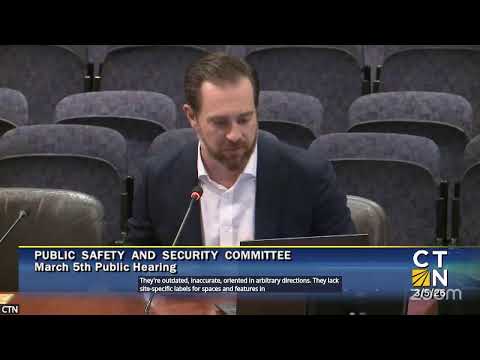
Lawmakers and first responders on March 5 pressed state officials about frequent elevator outages in high-rise housing and whether proposed legislation will give municipalities the tools to act more quickly. Commissioner Michelle Gilman, who testified for the Department of Administrative Services, said the agency supports the intent of legislation aimed at faster repairs but warned the state lacks the inspectors and funding to take on a large new statewide enforcement role.
"We very much appreciate the concerns and the intent behind the bill, but we do not have the additional staff and funding required to meet the mandates within the proposal," Gilman said in testimony. She noted many of the bill's provisions are already addressed in the 2026 Connecticut State Building Code, which DAS expects to take effect on 07/01/2026.
The committee focused on how to get stalled elevators back into service without creating unsustainable new state responsibilities. Omeris Vasquez, the state's building inspector, testified that the elevator bureau currently red-tags elevators that pose a danger during recurring inspections and that a large volume of complaint calls—roughly 5,000 from about 2020–2024—creates heavy travel and staffing demands for state inspectors. Vasquez said empowering local building officials to tag and abate unsafe elevators could be faster but requires legal clarity and guidance.
"For us to be able to address a lot of these complaints, we'll need additional elevator inspectors," Vasquez said. "It adds travel time. It would be faster, quicker, and more efficient with the local municipalities who are right there to be able to go straight to those sites and address the situation."
Lawmakers and witnesses described the human consequences of long outages. Representative Paoletto and other members recounted cases where residents missed medical appointments and visiting nurses could not reach clients because elevators were out of service. Assistant Chief Shakira Samuel of the New Haven Fire Department said elevators are "lifelines" for seniors and people with disabilities and that outages can force firefighters to carry heavy gear up many flights, delaying response and increasing risk.
DAS offered draft code language it says will help. Under a provision read during the hearing, in buildings five stories or more, elevators "shall not remain out of service for greater than 30 consecutive days or more than 60 days in a 12 month period without an approved repair and return to operation plan." The draft would allow a local building official to declare elevators "unsafe equipment," seal them, issue violations, and report to the state to freeze certificates until repairs and reinspection are complete.
Committee members urged DAS to provide more written detail about the code sections and emphasized a need to balance statewide oversight with municipal capacity. Some members said municipalities already report limited manpower; DAS said it will issue advisories and guidance to local officials and can consider incorporating local input into license renewals and enforcement recommendations.
The hearing did not produce votes but laid out the policy trade-offs: stronger state authority could produce more uniform enforcement but would require added inspectors and fiscal resources; relying on local officials could speed responses but needs clear statutory authority and statewide guidance. Staff promised to provide the committee with specific code sections and further analysis as the legislature continues work this session.
Next steps: DAS will submit written code provisions and the committee will consider technical language that clarifies local authority, timeframe requirements and funding implications for inspectors and enforcement.