
Doctors, clinicians urge ban on automatic insurer downcoding and limits on claim clawbacks
Get AI-powered insights, summaries, and transcripts
Subscribe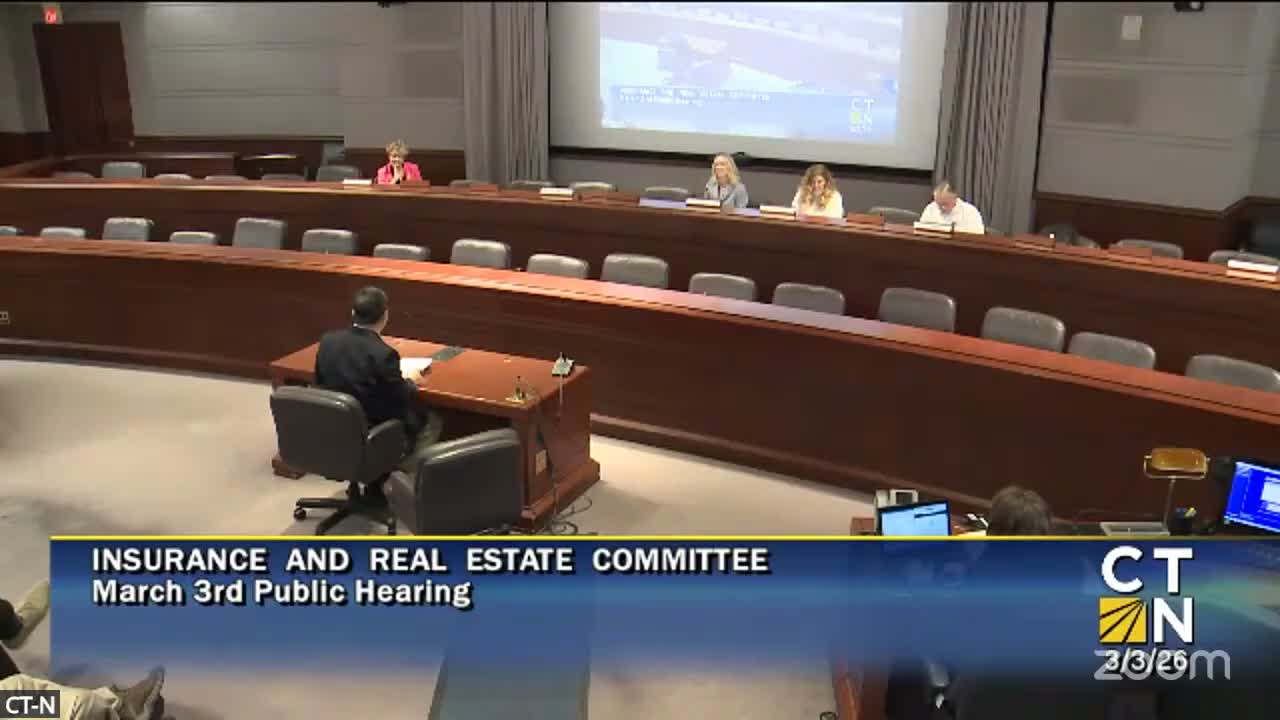
Summary
Physicians, psychologists and other clinicians told the committee that insurers have been automatically reducing claim payments using algorithms without clinical review, imposing heavy appeal burdens and threatening small practices; witnesses backed bills that would prohibit automatic algorithmic downcoding and shorten recoupment windows.
Physicians, psychologists and other clinicians testified at length about insurer practices they said amount to automatic downcoding and late claim clawbacks. Dozens of provider witnesses urged the committee to adopt statutory safeguards — including a ban on automated downcoding without clinical peer review and a 12‑month limit on retroactive recoupments — to protect practice viability and patient access.
Dr. Peter Hahn, a solo cardiologist, described a pattern of insurers reducing evaluation‑and‑management codes without prior clinical review. “Anthem has downcoded my initial visits 50% of the time,” he said, adding that overturning recoupments requires hundreds of appeal submissions and hundreds of hours of unpaid work. He urged the panel to bar automatic algorithmic downcoding and to require clinical review before payment is changed.
Multiple physicians and emergency‑care groups said automatic reductions shift the burden to clinicians and create staffing and access problems in rural and specialty practices. “When a medical office closes in a rural town, that access does not reappear down the street,” said Dr. Stephen Thornquist (pediatric ophthalmology), urging passage of section 4 of SB 342.
Mental‑health providers described another related harm: “Clawbacks create financial instability for providers and discourage in‑network participation,” said Dr. Marcy Russo of the Connecticut Psychological Association. Several witnesses favored a 12‑month maximum recoupment window (SB 341/ HB 5377) and clearer procedural notice and electronic appeal requirements.
Insurer testimony flagged potential cost increases and operational burdens for carriers if the committee were to impose presumptions of medical necessity or broad bans on automated tools; industry witnesses called for stakeholder collaboration and careful implementation to avoid unintended rate impacts.
Committee chairs asked the Department of Insurance and representatives from carriers and provider groups to work on specific definitions, audit standards, and timelines before any final text is adopted.