
Families urge lawmakers to mandate insurance coverage for PANS/PANDAS treatments including IVIG
Get AI-powered insights, summaries, and transcripts
Subscribe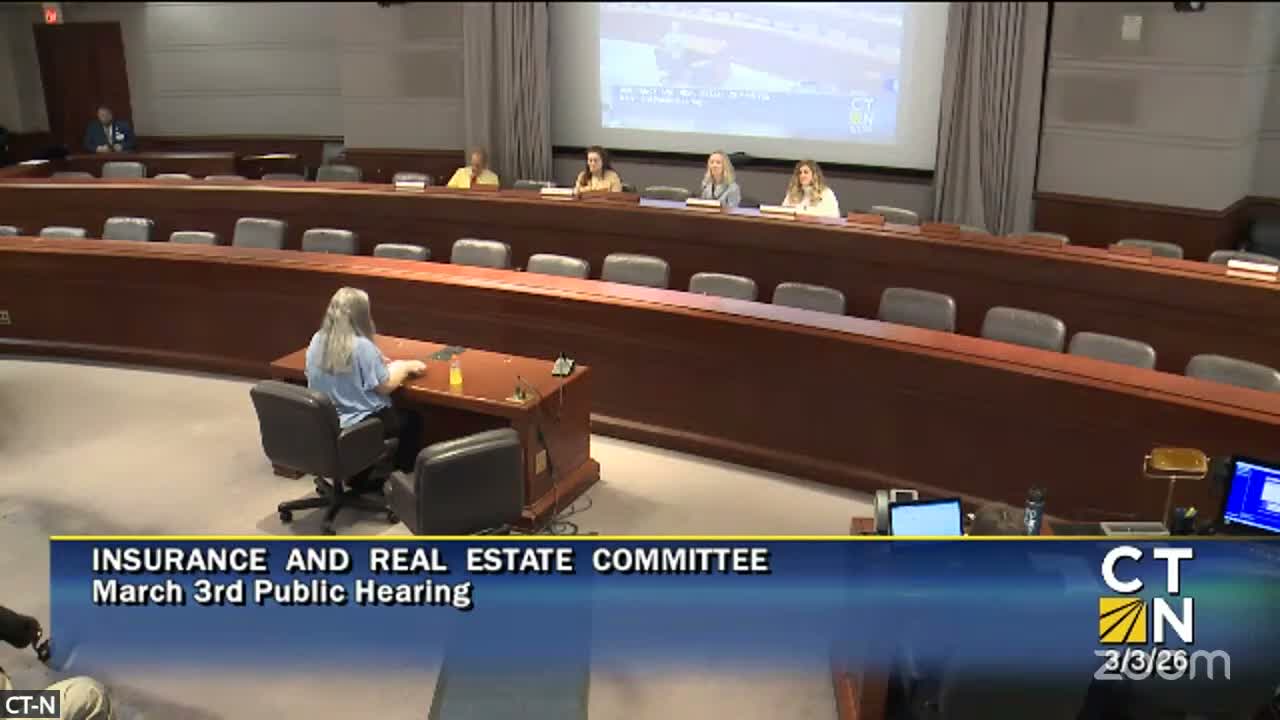
Summary
Parents, clinicians and advocacy groups told the Insurance Committee that HB 5374 is needed to ensure insurance coverage for PANS/PANDAS treatments such as intravenous immunoglobulin (IVIG), describing delayed care, financial ruin and clinical evidence that timely treatment can prevent long‑term disability.
Dozens of parents and clinicians gave emotional, detailed testimony supporting HB 5374, a bill that would require insurers to cover certain treatments for PANS and PANDAS, including immune‑modulating therapies such as intravenous immunoglobulin (IVIG).
“Our son should have been diagnosed at 5…we couldn't afford treatment for both kids,” said Gabriela True, president of ASPIRE, recounting years of delayed care and a suicide attempt in one child before IVIG became available through an insurer. “Families with means drained savings; families without means watched their child deteriorate,” she said.
Barbara Rutkowski told the committee that her daughter’s severe regression after a strep exposure required IVIG. “We paid for every bit of care we could, but IVIG was out of reach,” Rutkowski said, describing lost employment and long‑term education costs when treatment was delayed.
Clinical witnesses urged that the mandate would align Connecticut with other states and reduce long‑term costs. “When care is fragmented, children fall through the cracks,” said Lauren Brush, a clinical psychologist who described her own child’s hospitalization and subsequent improvement after IVIG and specialized care. Multiple speakers cited examples from neighboring states showing minimal premium impact from mandates.
Committee members asked about treatment frequency and clinical criteria; witnesses described IVIG as disease‑modifying for some patients, sometimes given as a series of infusions rather than a single dose, and emphasized the need for clear clinical criteria and preauthorization pathways.
The committee did not vote on the bill. Staff noted written testimony and medical literature submitted by advocates would be reviewed and committee members asked for cost estimates and insurer feedback before further action.