
Senate approves procurement changes to DFCM project oversight, sponsors cite cost savings
Get AI-powered insights, summaries, and transcripts
Subscribe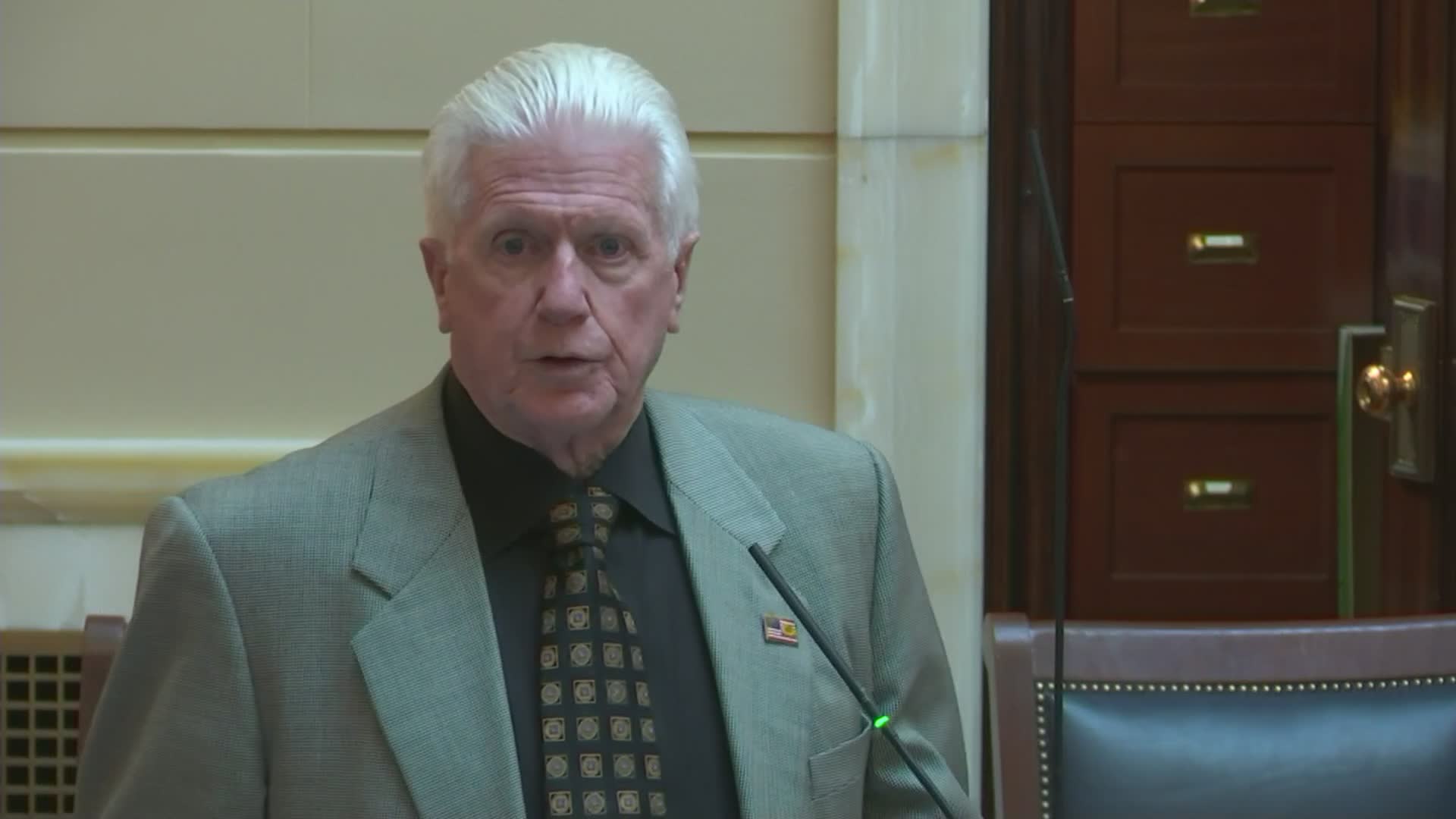
Summary
Senate passed a substitute to House Bill 508 expanding Division of Facilities Construction and Management (DFCM) authority to require programming before funding, use clawbacks, and incentivize cost savings; floor debate raised questions about bonding, state liability, and fiscal estimates.
The Utah Senate passed a substituted House Bill 508 aimed at tightening pre‑funding project programming and expanding the Division of Facilities Construction and Management’s (DFCM) authority to supervise and, in some cases, reclaim control of troubled construction projects. Sponsors said the measure will provide more transparency about project scope, allow DFCM to use incentive programs to capture cost savings, and could reduce bonding costs by relying on a state reserve mechanism.
Senator Ibsen, floor sponsor, framed the bill as a way to require better upfront programming and allow DFCM to "pull back control if the project has any hiccups," give directors discretion to require performance bonds when appropriate, and use a 5% holdback and existing state reserves to manage project risk. "This bill clarifies the member of understanding process that allows state entities to supervise projects up to 1 and a half million up from a 100,000," the sponsor said in floor remarks and referenced DFCM oversight of higher education projects.
Senators asked how the state would handle contractor default and unpaid subcontractors without standard bonding. Sponsors said the state would step in to finish projects and use holdbacks and a reserve fund to cover liabilities; they described the approach as similar to self‑insurance models in other state institutions. Senators also pressed the fiscal assumptions: sponsors described savings examples (e.g., a single project where they estimated $12 million in savings) but the fiscal analyst mark on the board was yellow (unknown), and the floor record notes uncertainty in projecting aggregate savings.
The third substitute passed on a roll call (19 aye, 7 nay, 3 absent) and will be returned to the House. Floor discussion preserved the bill’s bonding discretion for DFCM, clarified that bonding remains an available tool for risky contractors, and noted that some fiscal savings are projected but not precisely quantified in the fiscal note.
Next steps: the Senate returned the substituted bill to the House for consideration. Sponsors asked DFCM and the fiscal analyst to finalize savings estimates and provide implementation guidance on holdback procedures and reserve funding.