
Hours of testimony in Augusta as lawmakers weigh LD 2196 to cap hospital prices and reform prior authorization
Get AI-powered insights, summaries, and transcripts
Subscribe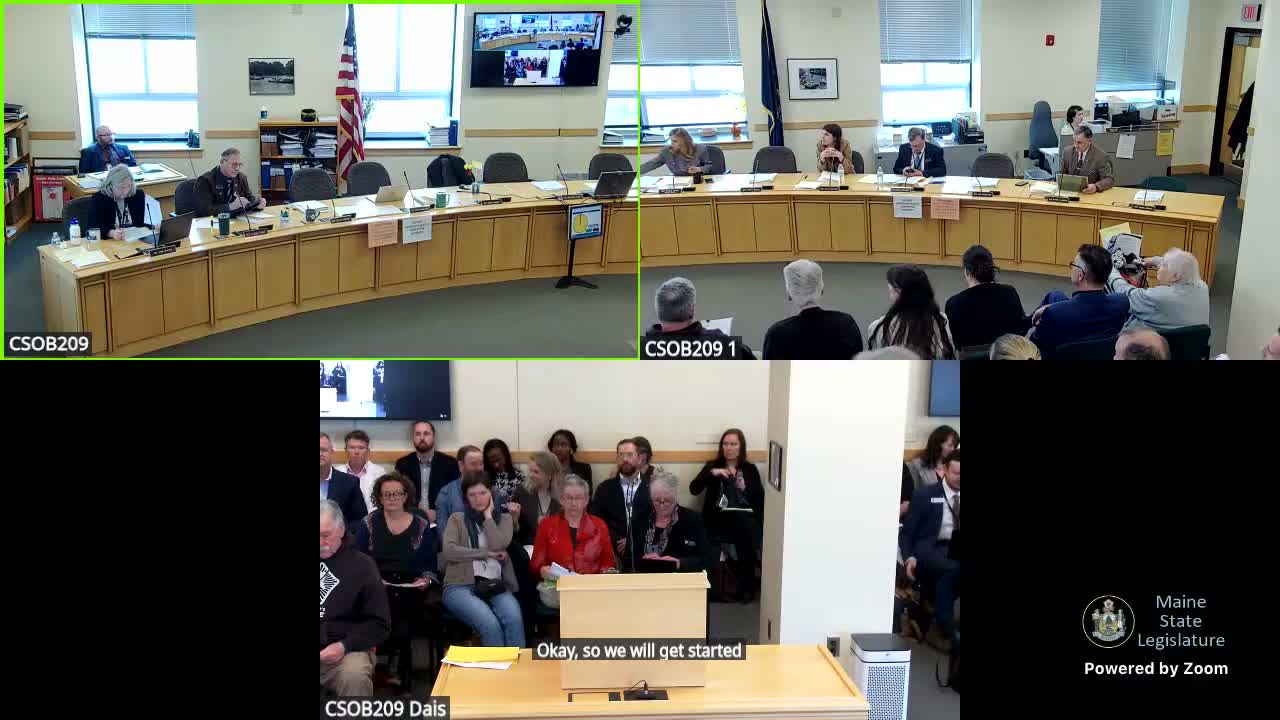
Summary
Representative Drew Gautin told the committee LD 2196 would curb rising hospital prices and lower premiums by capping commercial hospital payments at 200% of Medicare and limiting price growth. Supporters said caps can reduce premiums; hospital systems warned the cuts could force closures, service reductions and layoffs, and urged a broader stakeholder process.
Representative Drew Gautin presented LD 2196 to the Joint Standing Committee on Health and Human Services, framing the bill as an attempt to restrain runaway hospital prices — the chief driver of insurance premium increases — by setting service‑level price ceilings at 200% of Medicare, imposing an annual growth cap tied to a Medicare market‑basket index, limiting some prior authorization practices for chronic conditions, and establishing minimum commercial payment floors for primary care and behavioral health.
Gautin argued Maine must act because hospital prices have outpaced wages and inflation and because consolidation has concentrated market power. "We need to be in that room," he said, calling for change so families and employers are not priced out of care.
Support and rationale: Consumer advocates, small‑business groups and employers testified that unchecked hospital pricing and consolidation have driven premium increases and medical debt. Meg Garrett Reed of the Office of Affordable Health Care and researchers cited state examples (Oregon, Rhode Island, Washington) where reference pricing or growth limits produced savings for public plans or insurers. Supporters urged pairing price limits with investments in primary and behavioral health so savings translate into greater access and lower premiums.
Opposition and concerns: Leaders of Maine Health systems (including MaineHealth and Northern Light Health), the Maine Hospital Association and many clinicians warned that the bill as drafted would remove billions in commercial revenue, jeopardize essential services (trauma, neonatal ICU, specialty care), and force staff reductions, program consolidation or hospital closures — outcomes particularly acute in rural counties. Northern Light’s CEO said the system operates on thin cash reserves and estimated that the bill would cost his system hundreds of millions annually. Hospital witnesses urged a slower, evidence‑driven process that includes bond market and hospital finance analyses and federal coordination given pending changes to federal funding.
Tradeoffs and technical questions: Witnesses and committee members debated how to define "financially distressed" hospitals (an exemption in the bill), whether Medicare is an appropriate benchmark, how savings would be guaranteed to lower premiums, and the potential effects on ambulance services, clinical education and the capacity to train clinicians. Several members asked the committee staff to locate objective evaluations of Oregon and Rhode Island policies and the advisory council records that previously informed Maine hospital system planning.
Outcome of the hearing: No vote was taken. The committee asked for additional materials — objective studies of other states’ experiences, definitions and metrics to identify financially distressed hospitals, bond‑market implications, and fiscal simulations of the bill’s impact — before a work session.