Get AI Briefings, Transcripts & Alerts on Local & National Government Meetings — Forever.
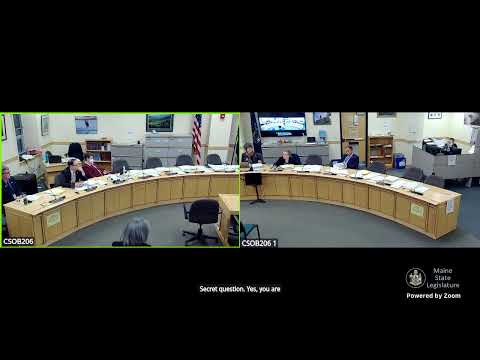
Committee hears broad housing package proposing code changes and enforcement pilot to lower construction costs
Loading...
Summary
Lawmakers heard LD 22 24 (code changes aimed at lowering residential construction costs) and LD 22 25 (measures to strengthen municipal enforcement and allow off‑site construction). Builders, fire officials and housing advocates generally supported the bills but urged technical review by code bodies and careful balancing of safety and cost.
Senator Chip Curry and other sponsors presented two related measures—LD 22 24 (a package of building‑code revisions intended to lower construction costs) and LD 22 25 (measures to strengthen municipal enforcement and support off‑site construction). The bills originated from a working group that identified regulatory barriers to housing production.
Witnesses in favor included Greg Gilbert (state building official, MOCA), Sean Esler (state fire marshal), representatives of the Maine Real Estate and Development Association, Build Maine Build Community groups, Associated General Contractors, and affordable‑housing advocates. Supporters argued the bills would reduce incremental regulatory costs that accumulate in housing projects, expand access to modular and off‑site construction, and fund training and a pilot program to address uneven municipal enforcement.
Technical concerns were raised. Several witnesses and the fire marshal urged that narrowly technical code edits (for example, elevator communications or smoke curtain provisions) be handled through the Maine Uniform Building and Energy Code (MUBEC) board rulemaking process to avoid fragmenting the code set or producing unintended consequences. Researchers (Pew) and architects testified that modern multifamily buildings have improved fire‑safety records and that permitting single‑stair mid‑rise buildings up to higher story counts can be safe when coupled with appropriate standards. Affordable‑housing advocates urged adding an affordable‑housing expert to the MUBEC board, adopting reasonable smaller elevator options to increase accessibility, and expanding municipal capacity for code enforcement.
Committee members asked staff to provide the fire marshal’s and MOCA’s recommended statutory wording to ensure the technical changes are consistent with code administration and to supply the fire marshal’s code‑enforcement study for the committee’s review.
Next steps: Sponsors and staff indicated they will bring MUBEC‑aligned language, potential amendments (including six proposed items circulated by housing advocates), and additional agency analyses to upcoming work sessions.