Get Full Government Meeting Transcripts, Videos, & Alerts Forever!
Get email alerts on the Municipal Budget topic
No spam. Unsubscribe anytime.
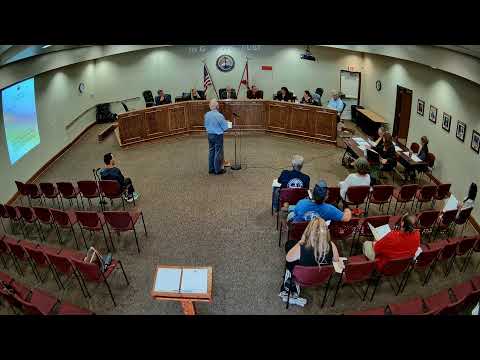
Freeport staff outline budget priorities, warn rate hikes could affect residents
Summary
At an Aug. 12, 2025, City of Freeport budget workshop, staff presented spreadsheet-based budget highlights, added a North Gateway landscaping project, updated salaries to reflect a $4-per-hour raise and said pending projects and proposed utility rate increases could change revenues and reserves.
Staff presented a revised budget spreadsheet and a set of project priorities at a City of Freeport budget workshop on Aug. 12, 2025, telling committee members that some projects would be held as pending until more information is available and that proposed utility rate increases could materially affect projected revenues.
The presentation, given by a staff member, moved previously distributed budget highlights into a spreadsheet designed to let officials "turn on and off projects" to see the effect on totals; staff said the items shown in blue reflect changes since the last workshop. The spreadsheet includes newly added projects — notably a North Gateway landscaping item — and other line-item changes such as mosquito control and higher quoted costs on recent equipment requests.
Why it matters: the decisions discussed at the workshop affect capital projects, the water utility’s finances, and residents’ bills. Staff warned that adding all proposed projects as full commitments would cause expenditures to exceed projected revenues, prompting a recommendation to mark some items as pending to avoid prematurely committing funds.
Staff said most projects will be funded immediately except those highlighted in yellow, "the ones that require further review," which can be set to pending in the spreadsheet to show their effect on the overall budget. When the full set of projects from the prior workshop was added, the staff said the projection showed the city would spend more than projected revenues, which led to the current approach of setting some projects aside while keeping them on the existing project list.
On capital spending for water infrastructure, staff said the water fund looks overspent in the current projection mainly because of a planned water tower and that the city intends to pay for that out of capacity fees in the water fund. A committee member noted a line showing "1.7" for the water tower (units not specified in the workshop record). Staff added that if work starts this fiscal year it may require partial funding now and more into the following fiscal year.
The expenditure worksheets were also updated to reflect pay adjustments discussed earlier: staff confirmed a $4-per-hour raise for employees is now included in the salary-and-benefits lines. With the pending items left as shown, staff said the budget currently projects that "our projected revenues will exceed our expenditures by $587,000," describing that amount as funds available in excess of projected spending.
Participants discussed modeling of proposed utility rate changes and how those would affect household bills. Staff presented a scenario showing an estimated 11.3% impact to residents in the first tier combining water and sewer, with later tiers modeled at roughly 5%, and cautioned that final revenue depends on whether the recommended rate levels are approved.
Committee members asked clarifying questions about which entries are in pending status, what the yellow highlights indicate and the timing for projects; staff said pending status does not mean a project is canceled, only that the city is holding off on formally reserving funds until additional information is provided. No motions or votes were recorded during the session.
Next steps: staff will return later in the fiscal year with additional information and requests for funds on items now marked pending; the spreadsheet-based approach will be used to show how toggling items on or off changes projected reserves and revenues.