Get Full Government Meeting Transcripts, Videos, & Alerts Forever!
Get email alerts on the Education.science Curriculum topic
No spam. Unsubscribe anytime.
Sumner County Schools board approves selection of new K–12 science materials after committee review
Summary
After a months-long review, the Sumner County School Board approved the Instruction Departmentrecommendation for new K12 science instructional materials; elementary and middle recommendations were unanimous and staff said formal budget adoption and summer training will follow.
The Sumner County School Board on March 18 voted to approve the Instruction Departmentselection of new K12 science instructional materials, moving the purchases to the budget-adoption stage.
Miss Skinner, who led the presentation for the Instruction Department, said the district began its review in October after Tennessee updated its standards and released an approved list of instructional resources in 2024. The selection process included teacher and administrator reviews, a January vendor caravan with demonstrations, a non-negotiable rubric for scoring materials and public opportunities to review samples online and in person. "We started in October meeting with our teams and looking at the different resources," Skinner said, describing a process that included teachers piloting materials in classrooms and scoring options against district priorities.
Why it matters: Instruction staff said the materials are intended to shift science instruction toward phenomenon-driven, inquiry-based learning and to give teachers more ready-to-use, standards-aligned resources. Middle-school staff recommended STEMScopes for middle grades because reviewers said it provided strong standards alignment and practice in data analysis; elementary and middle selections were reported as unanimous. High-school selections were decided by subject-area committees that required a minimum 70% approval threshold.
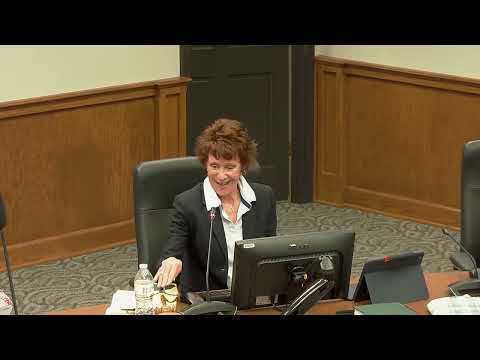
Board members used the meetingquestion-and-answer session to press staff on accessibility, community input and costs. One member asked whether the programs offer read-aloud and multilingual supports; Instruction staff said many options include online student books and workbooks that can be accessed on district iPads and that the district will use device accessibility features where vendors do not provide native multilingual tools. On community input, staff said a public review link and four in-person review dates were available but "we only had a few that responded," adding that many people accessed the materials without submitting formal written feedback.
The board approved the selection by voice vote with no opposition recorded. Staff emphasized that 'selection' is not the same as formal adoption at the budget level: the district plans summer professional learning on the new materials and intends classroom implementation in August contingent on budget approval. Dr. Langford said budget numbers for the recommended materials will appear in the district budget documents for board consideration.
The board did not name specific purchase amounts during the selection vote; staff said pricing and implementation costs will be part of the forthcoming budget adoption process.