Get Full Government Meeting Transcripts, Videos, & Alerts Forever!
Get email alerts on the Town Clerk Governance topic
No spam. Unsubscribe anytime.
Committee debates whether town clerk, treasurer should remain elected or be appointed; term-lengths and operational continuity under review
Summary
Commissioners debated converting traditionally elected offices (town clerk, treasurer, registrar of voters) to appointed positions, the merits of 2- versus 4-year terms, and operational fixes such as allowing assistant clerks to perform duties during absences; no formal changes were adopted pending clerk feedback and statutory review.
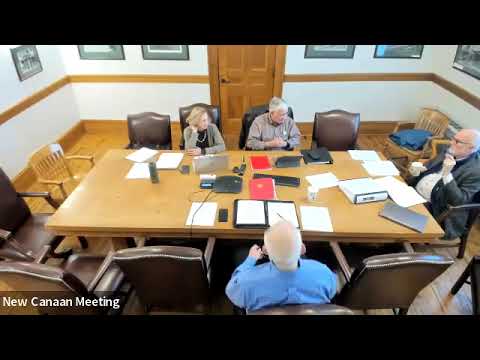
The Charter Revision Commission (Group 1) spent the bulk of its meeting debating whether the town clerk and other administrative offices should remain elected or be converted to appointed positions, and whether terms should be lengthened to attract more qualified candidates.
Chair Angela Jameson told commissioners she had sent questions to the town clerk and expected a response after the clerk said her office was 'swamped.' Commissioners said they want the clerk’s perspective before deciding whether to recommend structural changes to the full CRC. "I did send the town clerk about 10 days ago some additional questions... I will post these to the public packet," the chair said.
Arguments divided along operational and governance lines. Several commissioners said appointment would create direct supervision, clearer reporting lines and easier hiring, while others warned that elected status preserves independence and checks and balances. One member commented that turning the clerk into an appointed employee "would subject them as employees to supervision, oversight and discipline," which could improve service continuity; another warned that elected independence is an important safeguard.
Commissioners discussed immediate operational changes that could be included in a redline even if the office remained elected. Suggestions included allowing the assistant town clerk to perform all duties during the clerk’s absence and clarifying access for other town employees to land records on a read-only basis to reduce service bottlenecks.
Term length was also discussed: some commissioners favored moving to four-year terms to make the positions more attractive as career options, while others preferred keeping two-year elected cycles tied to local election timing. Commissioners noted that state statutes provide defaults for certain offices and that any recommended changes must reconcile with state law.
No formal vote on changing elected status or term lengths was taken; commissioners agreed to wait for substantive answers from the town clerk, review statutory requirements, and return with language for redlining. "I don't think we should vote on anything today because I think we should get back from the town clerk first," the chair said.
Next steps: the drafting commissioner will incorporate operational clarifications (assistant-clerk duties, alternate access provisions) into a proposed redline and circulate it for group review before the full CRC considers any structural changes.