Debate over narrow 'child safety' warrant stalls child welfare bill in Utah House
Loading...
Summary
A substitute to SB124, designed to let juvenile court issue limited "child safety" warrants to secure "eyes on" children in hard-to-reach cases, failed after hours of emotional testimony and legal concerns about Fourth Amendment protections and agency capacity.
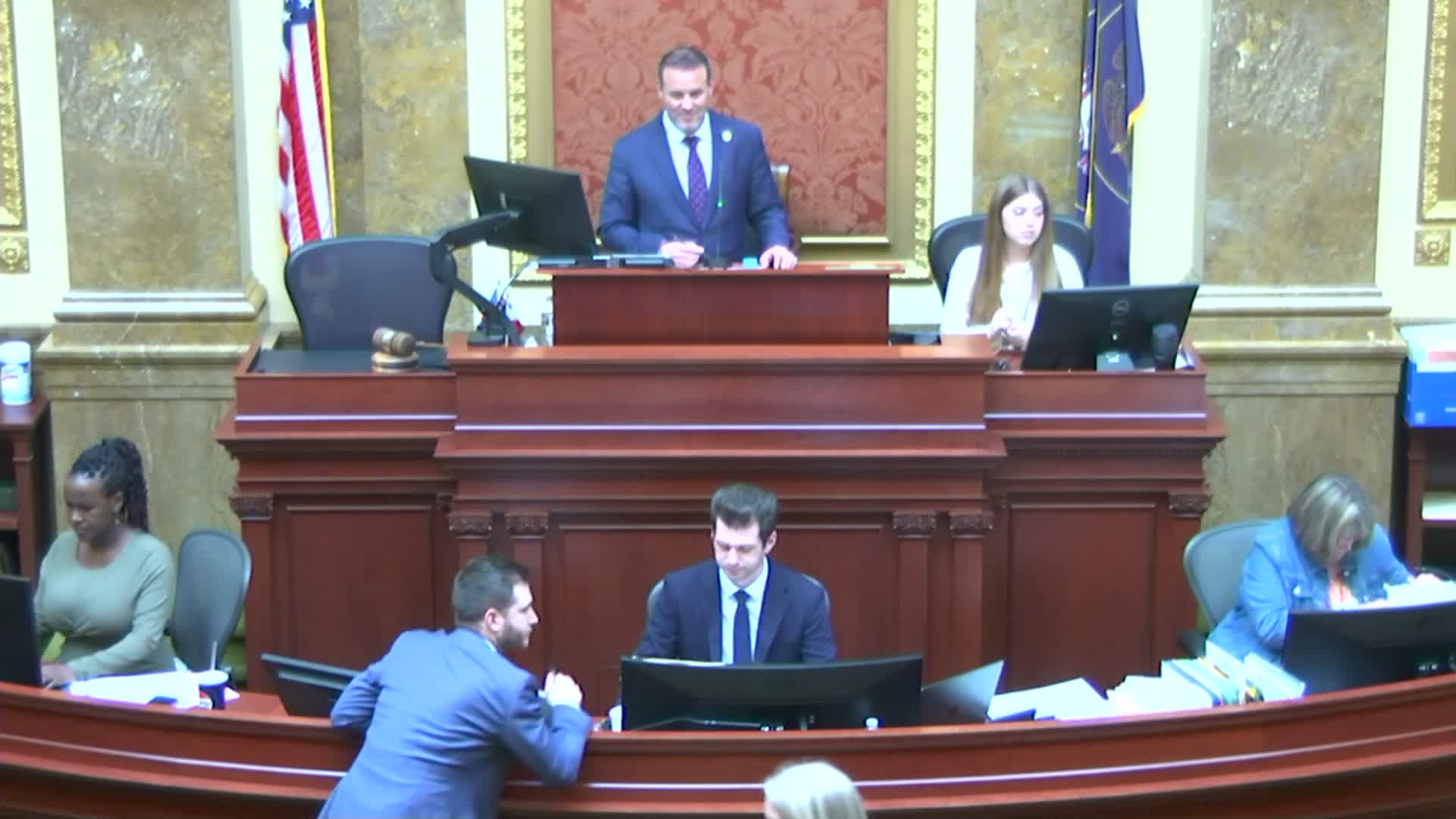
A heavily contested second substitute to Senate Bill 124 failed on the Utah House floor March 4 after extended debate over balancing child safety and parental rights.
Representative Watkins, the House sponsor, framed the measure in the context of prior child-fatality cases where families isolated children from community contact. He said the substitute was intended to give child welfare authorities a narrow tool to obtain "eyes on" children when other efforts to locate them fail.
Representative Acton, who moved the second substitute on the floor, repeatedly emphasized safeguards in the substitute: the warrant standard requires probable cause, a peace officer must accompany the caseworker executing the warrant, supervisory review and consultation with the attorney general are required before filing, and the scope of inquiry is limited to the child's health and safety rather than general home inspection. "This is a child safety warrant," Acton said on the floor, emphasizing the probable-cause and AG-review steps.
Opponents pressed Fourth Amendment and due-process concerns, worried about expanding warrant authority to juvenile court procedures, and questioned whether the Division of Child and Family Services (DCFS) has the capacity and consistency to implement the process safely. Representative Thompson raised concerns about privacy and the mechanism becoming normalized rather than an exceptional tool.
Supporters, including law enforcement and some committee members speaking in favor on the floor, said the substitute threads a narrow needle and could prevent future tragedies by enabling authorities and investigators to confirm a child's safety where families are evasive. Representative Gwynn recounted cases where going "eyes on" earlier prevented worse outcomes and said the substitute sought to distribute responsibility among DCFS, supervisors, the AG, and the court.
After debate and floor questions to clarify the difference between a removal warrant and the proposed child-safety warrant, the House voted; the substitute failed, 30 yeas to 43 nays. The bill was referred to staff for filing. Backers suggested they may return with modifications but said they brought the proposal out of concern about a pattern of cases in which children were isolated and harmed.
The transcript records repeated attempts to reassure the body that the substitute requires high standards for issuance and circumscribes the warrant’s scope. Lawmakers opposing the substitute cited the need for evidence-based warrants and concern about agency oversight given previous audits of DCFS.