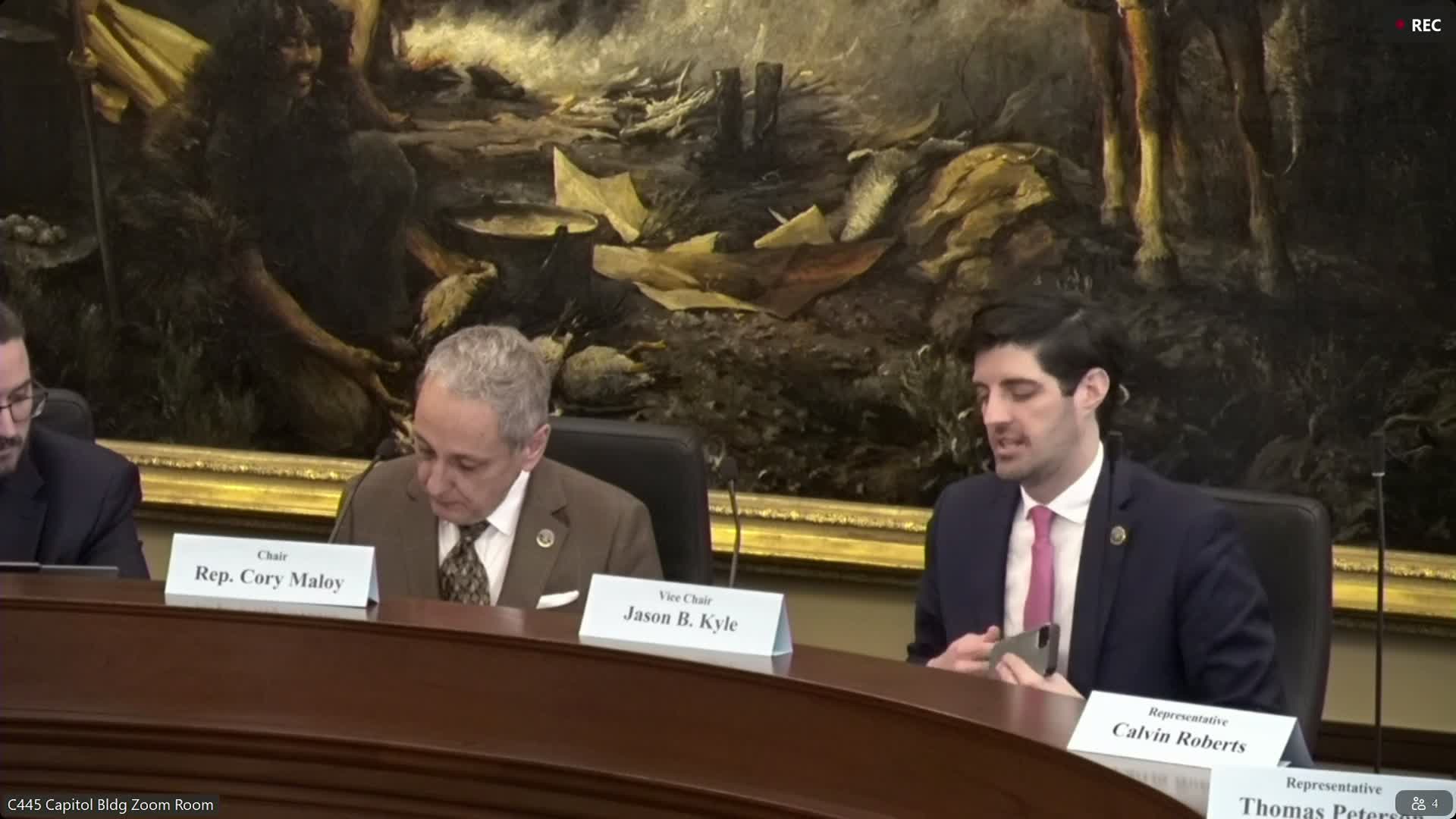
Committee debates expanding who counts as qualified school mental-health personnel; adjourns before final amendment vote
Loading...
Summary
The committee heard SB 2 97, a technical correction to school mental-health personnel definitions. Supporters said it clarifies roles and grows the workforce; opponents warned that including interns and additional provider types could lower professional standards and divert limited grant funds. A substitute motion to remove interns was offered and accepted as friendly, but the committee adjourned before final action on that amendment.
The committee considered SB 2 97, a technical bill to clarify which school-based personnel qualify for student health counseling under state code. Representative Hayes, presenting for Senator Buss, said the bill "is just making a technical correction" to align code with current practice and that it does not create a new program or seek funding.
The measure lists school counselors, school psychologists, school social workers and adds language intended to capture other licensed providers already working in schools, including marriage and family therapists, clinical mental health counselors and interns working under supervision. Representative Matthews, Representative Ballard and Representative Dunnigan supported the bill as a way to "build the bench" and expand the pool of professionals available to schools amid workforce shortages.
Several members raised concerns. Representative Tuscher and Representative Thurston said expanding covered provider types and including interns could lower professional standards and create incentives for districts to hire lower-cost staff using limited grant funds intended for licensed specialists. Representative Tesher raised similar priorities about scarce funds and directing them toward school psychologists and other specialists.
Representative Ivory made a substitute motion to strike the phrase "or working under the qualified personnel as an intern" (line 44); the sponsor said the change was a "friendly amendment" and indicated the sponsor was willing to work with the committee on language. Debate continued about whether removing interns would render the bill ineffective or whether it was necessary to preserve standards.
Before the committee concluded action on that amendment, Representative Tesher moved to adjourn. The committee held a roll-call vote and adjourned; members noted the substitute amendment's status was unresolved at adjournment. The record shows robust debate but the committee did not complete final committee action on that specific amendment before adjournment.