Get Full Government Meeting Transcripts, Videos, & Alerts Forever!
Get email alerts on the Marijuana Ordinance topic
No spam. Unsubscribe anytime.
Commission votes to add two microbusiness licenses to proposed marijuana ordinance
Summary
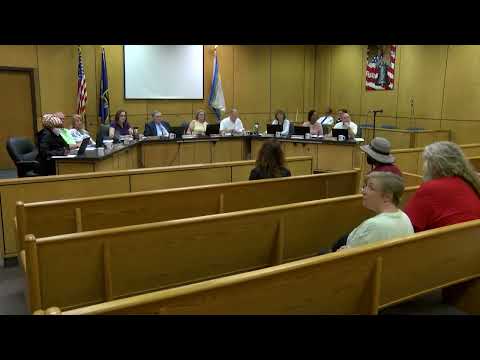
After extended debate on combining medical and recreational rules, the Mount Clemens City Commission voted to add two microbusiness licenses to its proposed marijuana business ordinance and to keep the same number of authorized establishments as the existing medical ordinance.
The Mount Clemens City Commission on July 6 voted to add two microbusiness licenses to the proposed marijuana business ordinance, a change backers said would broaden opportunities for small cultivators while preserving the same overall number of authorized establishments now in the city’s medical marijuana code.
Supporters argued the amendment would help smaller operators and encourage investment as planned retail and grow projects come online. "I make a motion that the proposed marijuana business ordinance, if adopted, should provide for the same number of authorized establishments as the current medical marijuana facilities ordinance and shall include 2 micro businesses," a commissioner said before the motion passed on a roll call vote.
The ordinance discussion focused on whether to combine medical and recreational cannabis rules into a single local law or maintain separate ordinances. Staff and several commissioners said the draft before the commission carried the same authorization counts for recreational uses as the medical ordinance, and that the city’s preference language for co-location of recreational and medical provisioning centers mirrors approaches used by other Michigan municipalities. One resident warned that merging rules could raise litigation or competitive issues; staff cited several federal-court preliminary injunctions filed in other Michigan jurisdictions that have challenged social-equity preferences.
Public commenters and potential operators urged caution in how the city limits licenses. Randall Buckman, a developer participating by Zoom, said the city could "always add another one" later and recommended a modest rollout while existing permitted projects finish construction. Jerome Crawford, director of legal operations for Pleasantries, urged giving market opportunities time to develop before substantially increasing license counts.
The motion to add two microbusinesses passed during the meeting’s deliberations on license counts. Commissioners also discussed related topics for future meetings, including microbusiness permitting, consumption-on-premises, and temporary-event rules. The commission did not finalize every technical detail; staff said zoning, state licensing and safety requirements would continue to dictate where different license types could operate.
Next steps: the ordinance draft will be revised to reflect the commission’s direction and continued discussion of microbusinesses and other optional provisions will occur at upcoming meetings and work sessions.