Get Full Government Meeting Transcripts, Videos, & Alerts Forever!
Get email alerts on the Education topic
No spam. Unsubscribe anytime.
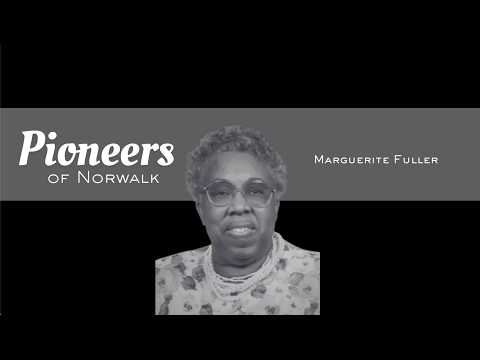
Resident recalls Marguerite Clark as educator who helped Norwalk children
Summary
A resident remembered Marguerite Clark as an educator and mentor who, after illness ended a nursing path, taught at Bridgeport University and set up a long-running support program at Nathaniel Ely for children living at Rudna Court; the claim about Newark Hospital admission is presented as the speaker’s recollection and not independently verified in the transcript.
A resident recorded in the transcript recalled Marguerite Clark as a committed educator and community mentor who "enrich[ed] other people's lives." The speaker said Clark had been accepted into the Newark Hospital nursing program but, after contracting rheumatic fever and being unable to pursue nursing, shifted into teaching.
"She was the first, African American accepted into the Newark Hospital nursing program, and she had rheumatic fever, which meant she couldn't become a nurse," the resident said. The speaker added that Clark later taught at Bridgeport University and created a program at Nathaniel Ely to provide extra help for children living at Rudna Court, a program the speaker said "went on for a really long time."
The resident described Clark as motivated to help others and said her personal legacy was teaching self-motivation and leaving the world "a better place than when you came." The transcript does not identify the speaker by name; in the text the person is referred to as "the resident."
The claim that Clark was the first African American accepted into the Newark Hospital nursing program is presented in the transcript as the speaker's recollection and is not corroborated elsewhere in the excerpt. The transcript also contains no formal agenda action, vote, or follow-up direction related to Clark’s legacy; it records a personal remembrance only.
The remarks focus on Clark’s local impact—teaching and organizing support for children—and serve as a recorded personal tribute rather than a formal proposal or administrative action.