Housing Lake summit sets four‑pillar call to action as county plans workshops and toolkits
Loading...
Summary
County planning staff summarized the Housing Lake summit and a digital 'call to action' that lays out four pillars — policy/regulatory reform, funding and financing, partnerships, and communications — and said targeted workshops, toolkits and webinars will start as the county and CMAP move into implementation.
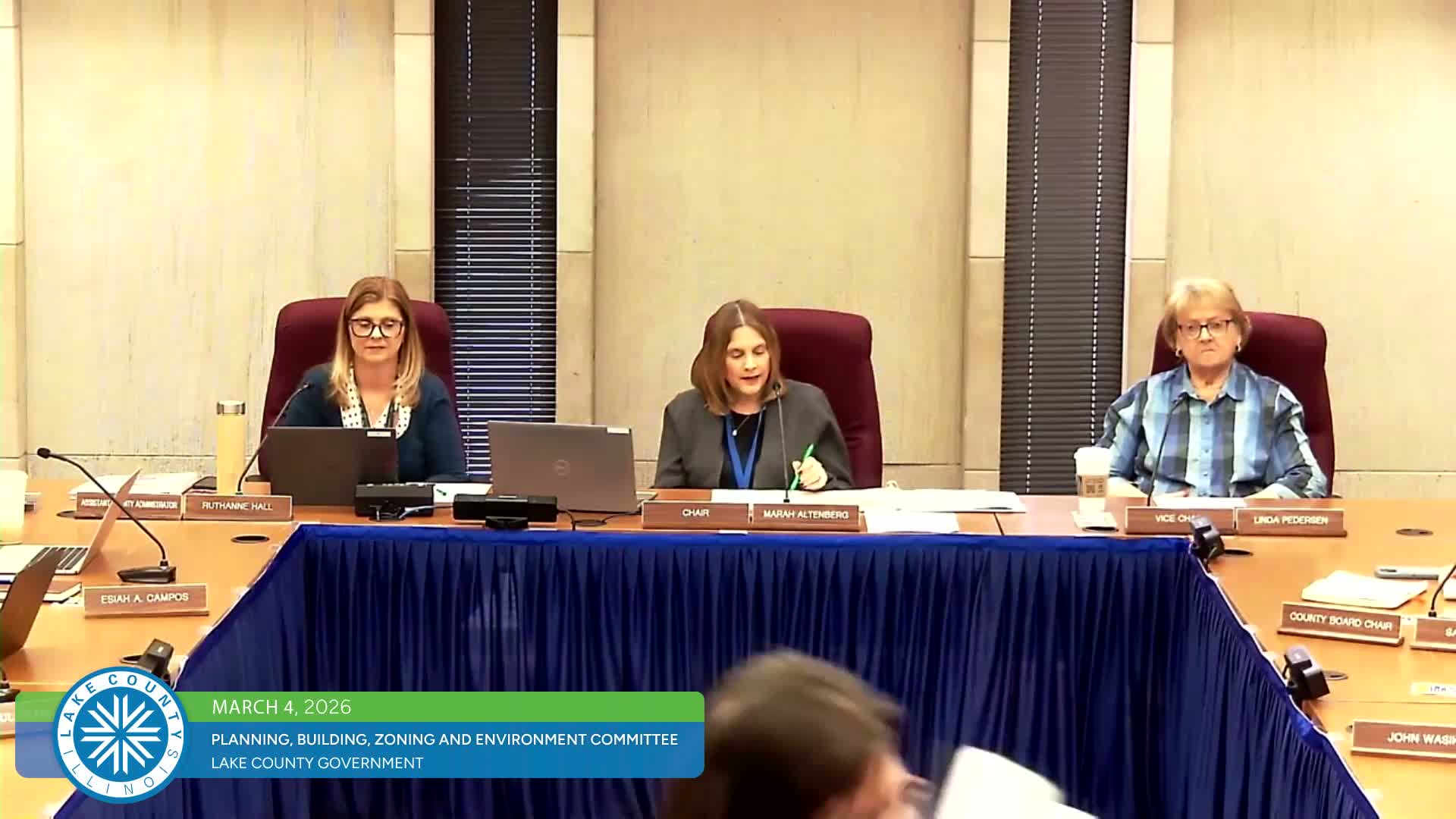
County planning officials on March 4 presented highlights from the Housing Lake summit and outlined a 'call to action' document intended to guide a multi‑year effort to close the county’s housing gap.
Eric Wagner, planning, building and development director, and Dominic Sprezo, community development administrator, said the summit capped a seven‑meeting phase‑1 series that brought more than 175 stakeholders together to identify strategies and next steps. The presentation cited a regional housing report showing the county faces a shortfall in housing production: "We’re short nearly 8,000 homes," the video shown at the meeting stated.
Wagner described four implementation pillars embedded in the call to action: policy and regulatory reform to remove barriers and diversify housing types; financing tools and incentives; partnerships and development capacity to leverage regional strengths; and communications and education aimed at building public trust for new housing types. The call to action is a downloadable digital resource with an engagement toolkit, talking points and sample social media content for stakeholders.
Members asked whether all municipalities are being engaged; Wagner said the effort seeks to include every community and to produce a model regulatory toolkit and workshop series tailored to different community contexts. Several members raised practical concerns: financing and infrastructure to bring services to developable sites, how to brand and frame alternative housing types such as container or modular homes, and the need for public education to address local opposition. Member Kanishnick offered to connect officials with practitioners behind an East St. Louis container‑home project she toured.
Staff said next steps include executing a memorandum of understanding with CMAP (to be presented to the county board), weekly coordination between county and CMAP staff and consultants, and organizing interim webinars and workshops to maintain stakeholder engagement. Officials stressed the implementation phase will take years and cited examples from other regions as learning references.