Get Full Government Meeting Transcripts, Videos, & Alerts Forever!
Get email alerts on the Urban Lot Splits topic
No spam. Unsubscribe anytime.
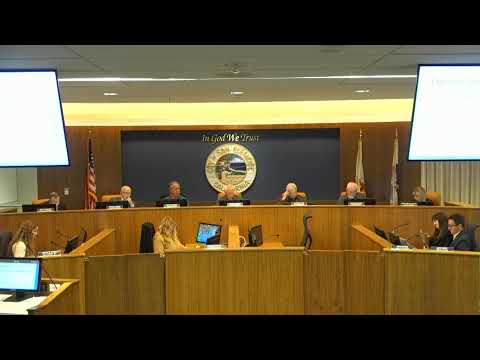
San Clemente commission narrowly backs changes to SB 9/SB 450 zoning amendments, rejects discretionary review
Summary
After extended debate about state law constraints, parking, timing and design control, the Planning Commission voted 4–3 to recommend the urban lot‑split and two‑unit zoning amendment to council with two textual changes (clarify 24‑month map timing and replace "dumpsters" language) and without adding a discretionary review pathway.
The San Clemente Planning Commission on March 4 recommended that the City Council adopt updated standards for urban lot splits and two‑unit projects intended to align local code with SB 9 and SB 450, but the recommendation came after a split vote over whether the commission should preserve a discretionary hearing path for applicants who narrowly miss objective standards.
Staff presenter Araceli Arcello summarized changes to the subdivision (Title 16) and zoning (Title 17) chapters modeled on state amendments: reductions in some subdivision-size thresholds, updated unit‑size maximums tied to ADU standards (e.g., increases to 850 square feet for one‑bed/studio and 1,000 square feet for two‑bed units in certain categories), a requirement that utilities be placed underground, and a clarification that unit design review must rely on objective, not subjective, standards. The draft also explicitly barred short‑term rentals in units created under the urban lot‑split provisions and referenced a state shot‑clock for ministerial approvals.
Commissioners raised multiple concerns during a lengthy discussion: whether the new language effectively overrides private covenants and homeowners associations; whether some timing language (a 12‑month expiration for recording a final map) is realistic given Orange County surveyor processing times; whether fire mitigation requirements and refuse‑screening language (wording that referenced "dumpsters") are appropriate for single‑family contexts; and whether the commission should provide an explicit discretionary review path for projects that miss one objective standard.
Commissioner McCann moved to recommend council approval with three changes: strike the last sentence of the urban lot‑split section that limited recording to 12 months (thereby aligning to 24 months elsewhere in the code), change "dumpsters" to "trash containers," and include a discretionary application option for applicants denied at the counter. Commissioner Kemp offered a substitute motion removing the discretionary‑review option but keeping the other two edits. After roll call the substitute passed 4–3.
The net recommendation therefore forwards the zoning amendment with two textual edits (map‑recording timing and refuse wording) and without creating a guaranteed path to discretionary hearing for near‑miss applicants. Commissioners stressed the city must document why the revised objective standards are consistent with the general plan and housing element when the staff report moves to council.
Next steps: staff will finalize the draft and its explanatory findings for the City Council, noting the commission's substitute motion and the 4–3 vote. The council will receive and consider the recommendation along with the staff report and attachments.