Bradley County finance committee tells departments to include carryover PO amounts in 2026–27 budget requests after six‑month cutoff
Loading...
Summary
After the county shortened the purchase‑order closure window from 12 months to six months following state‑auditor guidance, Bradley County finance committee members advised department heads to add previously tied‑up amounts to 2026–27 budget requests rather than rely on fund‑balance rollovers.
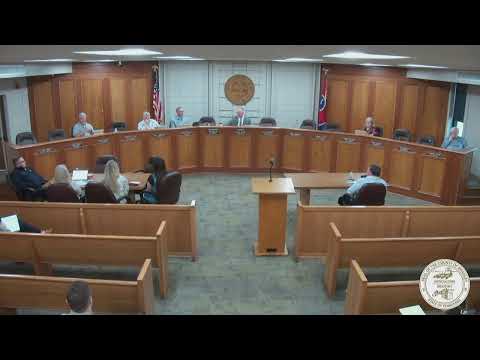
At a March 4, 2026 Bradley County finance committee meeting, members advised department heads to include previously tied‑up purchase‑order (PO) amounts in their upcoming 2026–27 budget requests after the county shortened the allowable PO closure window from 12 months to six months, officials said.
Committee members said the change — implemented by the mayor and the county finance director in response to guidance from the state auditors — is intended to prevent departments from carrying prior‑year obligations into the next fiscal year and to make county budgeting more accurate. "The move from the from a 12 month to 6 month purchase order, closure window is a real adjustment," the chair said, calling the goal to have departments work out of the current budget year rather than rely on prior POs.
Why it matters: Finance staff reported that in the general fund the report showed about $1,500,000 in PO commitments, of which roughly $413,000 was liquidated and about $1,100,000 remained unliquidated. The chair warned that closing large POs and returning the money to fund balance can alter the county's fund‑balance ratios; he cited targets of roughly 17% for the general fund and 5% for the fire fund and noted he could not recall the exact roads target.
Departments pressed for practical options. Sandra, a department head who spoke during the meeting, asked whether departments could ‘‘drop open POs back into the fund balance and pull those’’ for one year to preserve accurate accounting and avoid requesting larger budgets immediately. Finance staff and other department leaders said exceptions would remain for ongoing projects and long‑lead purchases such as ambulances, which can span fiscal years, but that routine lines should be budgeted in the year the expense will be incurred.
A director who uses EMS as an example said when a department has, for example, $500,000 carried over from prior years, and auditors insist POs be closed sooner, the department will likely need to "increase my next year's budget request by 500,000" to maintain the same spending capacity. Several members urged treating this as a one‑time adjustment to reset accounting. "Rip the Band Aid off this year, and I think everything will start smoothing out after this year," Commissioner Alford said, urging departments to justify and include needed amounts in their formal budget submissions.
Staff said the county will allow exceptions for legitimately ongoing projects but otherwise expects departments to plan on using current‑year appropriations. A finance staff member advised departments to submit what they need and to monitor how the new practice affects year‑end carryover; the staffer said the change should ultimately make reports and budgeting clearer.
Procedural details and next steps: Committee members reminded department heads that budget requests are due May 12 and encouraged departments to "budget what you need" and include clear justification for any increases. No formal motions or votes were taken during the meeting; members signaled general agreement with the guidance and said they will review submitted budget requests.
The meeting closed after committee members reiterated the guidance and set expectations for forthcoming budget submissions.