Residents urge Hempstead to act after volunteers say two dogs were held in prolonged isolation at town shelter
Loading...
Summary
Volunteers and residents told the Town of Hempstead board that two dogs, called Lance and Ziggy, have been confined in isolation for months with no outdoor access; they demanded immediate behavioral assessments, policy changes and clearer communication. The board did not take formal action at the meeting.
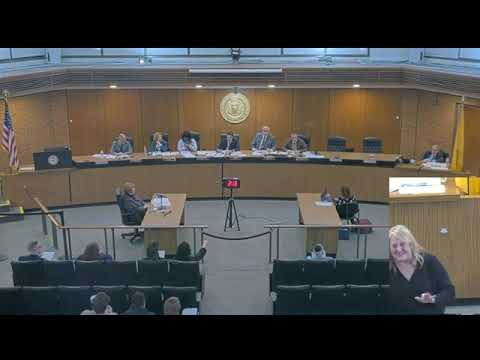
Volunteers and residents pressed the Town of Hempstead Board on Feb. 24 to take immediate steps after describing two dogs at the town animal shelter who they said have been kept in long-term isolation.
At the meeting, several speakers named the dogs Lance and Ziggy and described extended periods in kennels without outdoor access or walks. “Ziggy has been jailed since September 27. It’s 150 days he’s been there. 0 fresh air, 0 human contact,” volunteer Weser Gasperman said. Volunteer Danielle Kenny said Lance had been confined for “243 days” and calculated the shelter’s cost of isolation for the two dogs as about $27,500, attributing the figure to earlier statements about daily boarding costs.
Speakers who volunteer or work with rescues urged the board to adopt concrete steps: immediate behavioral assessments by qualified professionals, formal written policies to permit supervised walking or outside time when safe, and consideration of sanctuary placement or vetted rescue partners. Hillary Flanagan, a Bellmore volunteer, asked the board for “a plan for Ziggy and Lance and a plan moving forward so this does not keep occurring,” and listed possible interventions including outside board-and-train partners, construction of outdoor-run access, or medical interventions when warranted.
Several commenters said staff and volunteers had offered to handle the dogs under waivers but were denied by town leadership. “There is no plan of action to move forward for either of these dogs,” Danielle Kenny said, adding that qualified staff and volunteers had been refused permission to give the animals fresh air.
Volunteer Jared Orientale framed the situation as urgent and emotional: “The whole town board is aware of these cases and still no action has been taken,” he said, adding that the protracted isolation felt “inhumane, immoral, and outright cruel.” Other commenters asked for a treatment-team approach that includes rescue coordinators, run supervisors and staff who know the dogs best.
Supervisor Ferretti responded to the public comments by disputing the claim that communication with shelter management is absent and by listing policies the administration said it had implemented: expansion of the trap-neuter-release (TNR) program, routinely waived adoption fees, a recent ban on backyard breeding, steps to increase rescue partnerships, increased promotional outreach for adoptions, and enhanced vetting of rescue partners, including expanded background checks. “We may have work to do, but I think it’s certainly not accurate to say that this administration is not improving things at the animal shelter,” he said.
The meeting record shows the board heard public comment but did not adopt a new policy or vote on an immediate shelter action at this session. Speakers asked the board to consider hiring or contracting with an independent, accredited behaviorist to evaluate long-term cases and to create written standards governing outside access, handling and rescue placements.
Next steps were not set on the record during the meeting; the board remained to listen to residents after the formal portion adjourned but took no formal vote on shelter policy during the Feb. 24 session.