
Connecticut vets and UConn back revival of Kirkland‑M. Kerr program to boost state veterinary pipeline
Get AI-powered insights, summaries, and transcripts
Subscribe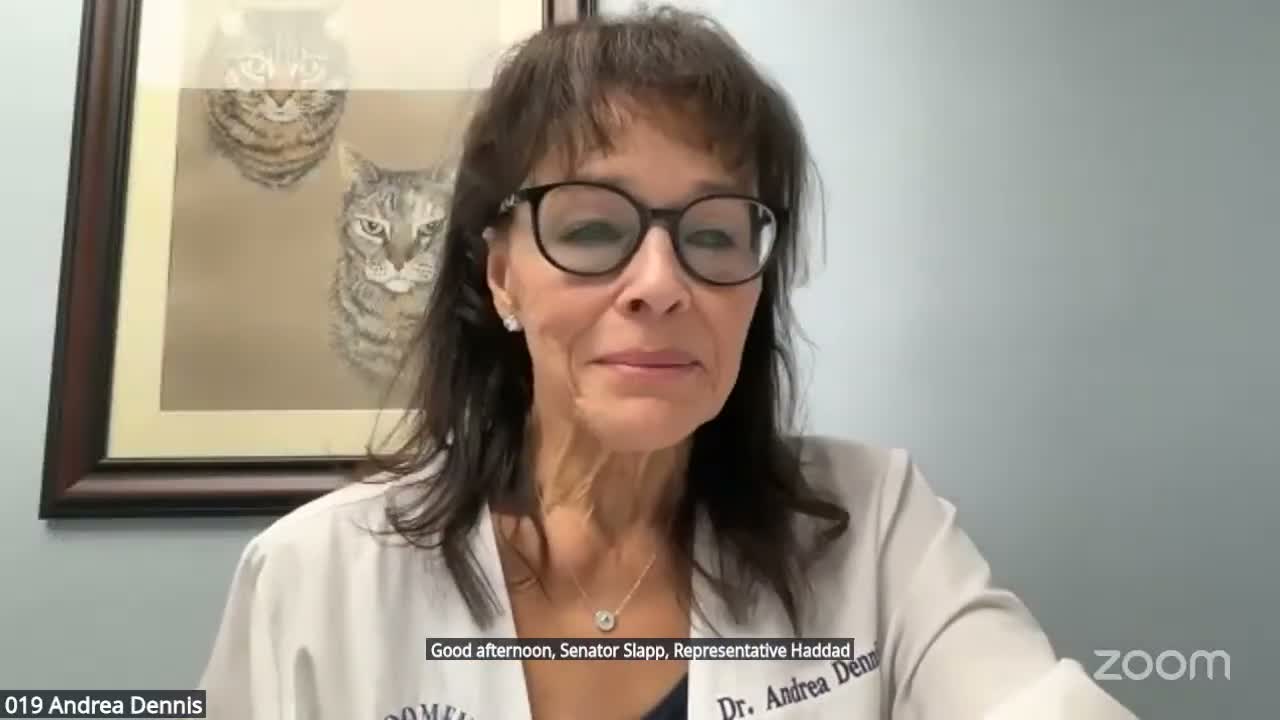
Summary
Veterinarians, UConn faculty and the Connecticut Veterinary Medical Association urged lawmakers to reestablish the Kirkland‑M. Kerr program to reserve out‑of‑state veterinary seats and reduce tuition differentials, estimating annual costs of about $1.4–$1.6 million and proposing return‑to‑state practice requirements or loan‑forgiveness to keep graduates in Connecticut.
Veterinarians and University of Connecticut representatives urged the committee to revive the Kirkland‑M. Kerr program, a tuition‑support partnership that previously reserved seats for Connecticut residents at out‑of‑state veterinary schools and provided in‑state tuition equivalence.
Dr. Andrea Dennis, a licensed veterinarian and UConn trustee, told the committee Connecticut faces a critical shortage of veterinarians and that the high cost of veterinary education—where debt can exceed $300,000—deters residents from returning to practice in the state. She described feasibility work and said the state can get more Connecticut residents into veterinary programs at lower net cost by reserving seats through an MOU with partner schools and covering the out‑of‑state/in‑state tuition differential.
Kristen Gavoni, associate dean at UConn's College of Agriculture, said UConn’s feasibility outreach identified Tufts, Iowa State and University of Georgia as viable partners and that the revived program could support up to 10 incoming Connecticut residents per year (up from five in the program’s prior iteration). She estimated the program’s annual cost at approximately $1.4–$1.6 million to cover tuition differentials and administrative fees, and requested $10,000 annually for administrative support within the college to operate the program.
The Connecticut Veterinary Medical Association supported the revived program and suggested structuring funding so that graduates who return to practice in Connecticut receive loan forgiveness or reduced repayment obligations. Mark Albin, a practicing veterinarian and association representative, said the program previously required graduates to return to Connecticut for a defined period (five years) to have financial support forgiven; members discussed deferral during internships and residency training to avoid repayment pressure during advanced training.
Committee members noted the program would not create a UConn veterinary school but would reserve seats via agreements; they pressed on incentives to ensure students return to Connecticut and on the proposed funding mechanism in the bill (which includes a sales‑tax provision on certain pet items in one draft). UConn and veterinary leaders asked for clear advance appropriations so students can begin training with funding secure.