
House committee hears FY2026 budget overviews for LARA and DIFS; members seek more detail on $33 million occupational regulation line
Get AI-powered insights, summaries, and transcripts
Subscribe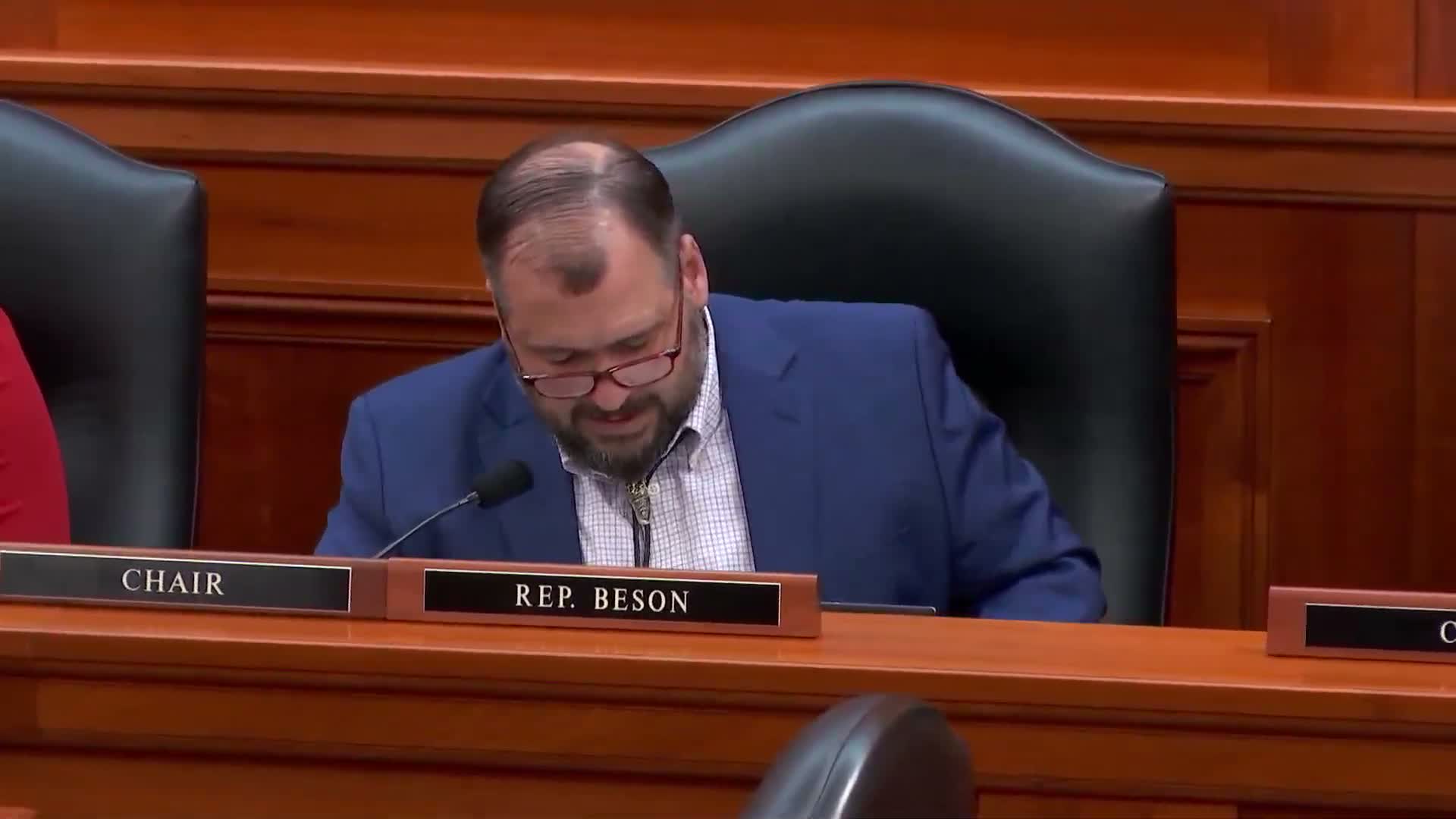
Summary
A fiscal analyst briefed the committee on LARA’s $626 million FY26 appropriation and DIFS’s largely fee-funded $79.4 million budget; members questioned general-fund uses for departmental grants and requested breakdowns of a $33 million occupational regulation line and fee histories for regulated industries.
A House committee reviewed fiscal year 2026 budget overviews for the Department of Licensing and Regulatory Affairs (LARA) and the Department of Insurance and Financial Services (DIFS) during a meeting that opened with roll call and the adoption of December minutes.
Una Jokovich, the committee’s fiscal analyst for LARA and DIFS, presented the department-level funding history and FY26 appropriation figures. "So again, about 46% of LARA budget is state restricted and about 44% is general fund this year," Jokovich said, summarizing the composition of LARA’s roughly $626,000,000 appropriation. She told members that approximately 42% of LARA’s budget supports grants (largely MIDC grants), and that appropriations across FY22–FY26 rose by about 21% while FTE authorizations declined modestly.
Jokovich outlined specific FY26 changes: the budget shows a roughly $22.3 million general-fund reduction in MIDC grants, elimination of 22 unfunded FTE authorizations, and several net-zero transfers that reorganized line items. She also flagged six one-time appropriations totaling $6,600,000 and listed department grant lines that include firefighter training ($2,300,000), liquor law enforcement grants ($9,900,000), marijuana operation oversight ($3,000,000), Michigan Saves clean-energy grants ($3,000,000), a Michigan Association of CPAs continuing-education tracker grant ($200,000), Michigan Realtors continuing-education grants ($400,000), and $1,000,000 for urban search and rescue.
On statutory and boilerplate language, Jokovich identified reporting requirements and changes in the proposed language. She cited several sections included in the materials, noting, for example, a requirement in Section 2.51 for LARA to report on mandatory training materials and a change in Section 505 that lowers the Bureau of Fire Services' maximum fee for false final inspections from $800 to $500.
The presentation included marijuana-market data: "From January 2021 to January 2026, [average retail flower price per ounce fell] from about $324 to $59," Jokovich said, and she displayed a 13-month sales chart showing no clear trend but a December-to-January drop that she suggested could reflect tax timing.
Members pressed for clarification on funding sources and line-item detail. Chair Beeson and other members asked whether the department grants shown were one-time; Jokovich said the slide-listed department grants were ongoing while some other items were one-time. Chair Beeson also asked whether marijuana-related grant lines draw on general fund dollars rather than restricted industry fees; Jokovich confirmed that the marijuana operation oversight line in the budget is funded by general fund.
Representative Steele asked specifically about a $33,000,000 general-fund amount listed for occupational regulation across six bureaus and requested a breakdown of what is contained in that single line item and why the general fund is being used. Jokovich said she would follow up with the requested detail. Representative McKinney asked for the due dates on the LARA and Public Service Commission (PSC) reports included in boilerplate language; Jokovich said she would provide the deadlines.
Jokovich then presented DIFS budget information, saying DIFS gross appropriations for FY26 are roughly $79,400,000 and that the agency receives almost all of its funding from state-restricted sources (about 99%), with no general fund included in the DIFS budget. She noted recent eliminations of unfunded FTE authorizations and a small state-restricted allocation for attorney general legal services.
A member asked for historical information on the fees that regulated entities (banks, credit unions, insurers and mortgage firms) actually pay and whether fee levels have changed over the past five years; Jokovich said she would compile fee-change information and restricted fund balances and share it with members.
Procedurally, the committee approved the minutes of December on a motion recorded in the transcript as offered by Rep. Ben Workum and adjourned with no further business.
The committee requested follow-up materials: a detailed breakdown of the $33 million occupational regulation line, the due dates for LARA/PSC reports, historical fee schedules and restricted-fund balances for regulated entities, and further detail on the composition of department grant lines. The meeting was adjourned pending those follow-ups.