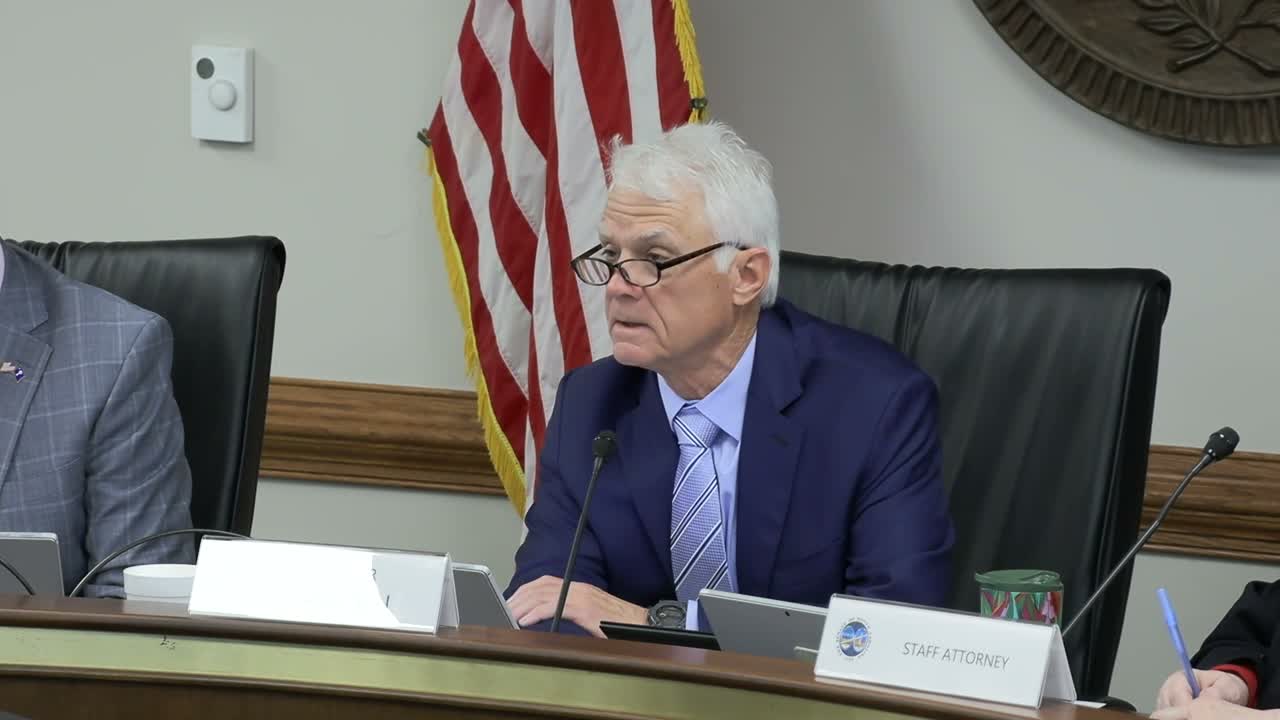
Nurses, therapists and speech-language pathologists tell subcommittee S.254 risks public safety and continuity of care
Loading...
Summary
Representatives of nursing, occupational therapy, physical therapy and speech-language professions told a Senate subcommittee that S.254's automatic-sunset and add-one/subtract-two rules could create regulatory gaps, hamper enforcement and threaten patient safety.
Representatives of multiple health-care professions urged a South Carolina Senate subcommittee to amend or slow the Small Business Regulatory Freedom Act (S.254/H.3021), saying the bill's automatic three-year sunset and "2-for-1" requirement could leave boards without the regulatory tools they use to ensure provider competence and patient safety.
Dr. Stephanie Burgess, a family nurse practitioner speaking for the South Carolina Nurses Association (which she said represents about 60,000 RNs) and the Coalition for Access to Healthcare (about 7,000 practitioners), told the committee that nursing regulations cover education, disciplinary processes, codes of ethics and rules for handling patient-care records when an APRN dies. She said the 2021 change allowing nurse practitioners to order home health care required aligning statute and regulation so home-health agencies would accept NP orders.
"We're really concerned about sunsetting all regulations for all agencies all at the same time," Burgess said, warning of unintended consequences for patient care and oversight.
Kelly Caldwell, vice president of government affairs for the South Carolina Speech-Language-Hearing Association (representing more than 4,000 practitioners), said the bill is unclear about routine re-adoptions and whether re-promulgation would trigger removing two unrelated regulations for every new one. She recommended improved public notice, easier access to regulatory documents on the State House website, and annual reporting from boards about public requests to update regulations.
Leanne Frick, a physical therapist and director with the state APTA, described successfully using the current LLR board process to propose and revise regulations and urged the committee to preserve that deliberative, stakeholder-driven model. Sarah Wilbanks, legislative chair for the South Carolina Occupational Therapy Association, raised similar concerns for Chapter 94 and asked how the bill would handle required updates for compacts and new technologies.
Committee response and next steps: Senators said they heard the concerns and signaled they would work on targeted amendments; one senator said staff would draft changes for health-care professions. The committee adopted separate amendments for harbor pilots and aviation but did not adopt changes specific to health-care professions during this session.