Lifetime Citizen Portal Access — AI Briefings, Alerts & Unlimited Follows
Teachers showcase Smart Start grant lessons and hands-on engineering activities
Loading...
Summary
Honeoye teachers presented a Smart Start grant program (year five) from U of R/WFL BOCES that shares teacher-developed computational-thinking and engineering-design lessons statewide; presenters demonstrated classroom activities and ran a short challenge for the board.
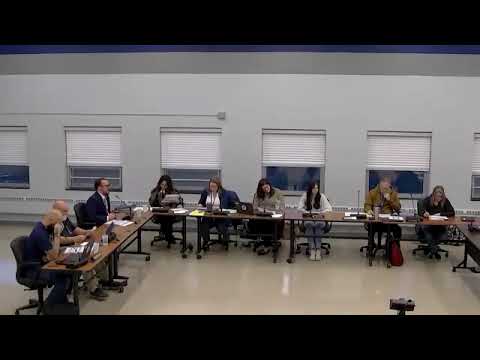
Teachers from Honeoye presented the district’s Smart Start grant work at the March 4 meeting, outlining curriculum and classroom activities developed under a five-year partnership with the University of Rochester and Finger Lakes BOCES.
Nancy Green (AIS math teacher) and colleagues described two strands: a computer-science/computational-thinking strand that uses tools like BeBot robots to teach early coding concepts and an engineering strand aligned with next-generation science standards that emphasizes the engineering design process (EDP).
“Obviously, I’m Nancy Green. I teach AIS math, and I focus on the computer literacy strand,” Nancy Green told the board when introducing her classroom examples, which included robot-based mapping activities, unplugged coding, and measurement exercises designed for kindergarten through fifth grade.
Alyssa and Kelly (classroom teachers participating in the engineering strand) described hands-on projects including pumpkin-impact experiments, a Yeti catapult challenge, and paper-airplane flights used to teach measurement, iteration and failure as a learning tool. The presenters said their lessons are part of a showcase to be shared across New York State.
To illustrate the pedagogy, teachers led a short on-site planning-and-build challenge for board members to construct a tower that would support a tennis ball using cups, toothpicks and gumdrops.
Superintendent Fluke praised the presenters and said the program models meaningful, hands-on learning that fosters problem solving and collaboration. The district said the Smart Start showcase will be posted and is intended for wider dissemination to other districts.
No board action was required; presenters encouraged teacher participation in future cohorts.