Get Full Government Meeting Transcripts, Videos, & Alerts Forever!
Get email alerts on the Marijuana Ordinance topic
No spam. Unsubscribe anytime.
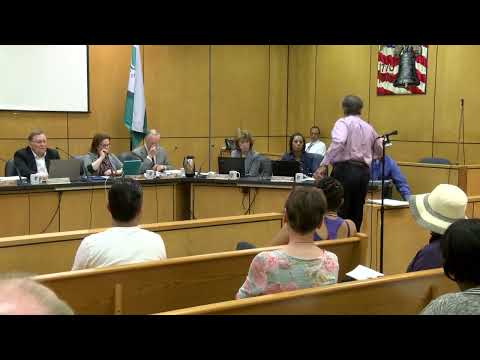
Mount Clemens commission adopts marijuana business ordinance after public objections
Summary
The Mount Clemens City Commission voted 4–2 to adopt a marijuana business ordinance after public commenters raised procedural and community‑benefit concerns. Commissioners scheduled follow‑up steps and residents asked for more outreach and delay until an absent commissioner could participate.
The Mount Clemens City Commission voted to adopt a marijuana business ordinance after rescinding prior action and holding a second reading, approving the measure by roll call with four yes votes and two no votes.
The ordinance drew extended public comment before the vote. Resident George Kale presented written materials and cited the Michigan Zoning and Enabling Act of 2006, arguing the city used a zoning map to enact the ordinance and should have held a noticed public hearing. "I urge you to vote no," Kale told commissioners, adding that Clinton Township had faced procedural challenges on a similar zoning action.
Other speakers urged more community engagement, said dispensaries sometimes provide sizable community donations in nearby municipalities, and asked the commission to wait for Commissioner Dempsey's return or hold additional work sessions. A Zoom participant sought clarification about the ordinance—s 1,500‑foot buffer language and whether property boundary changes could remove eligibility; city staff directed the participant to the city manager's office for follow‑up.
City commissioners debated procedure and timing before the final vote. The motion to rescind the May 2 action and approve the second reading and adoption carried on the roll call. The commission did not record additional conditions to the ordinance during the vote; follow‑up questions from the public will be handled by administration as directed.
The commission's action formally allows the city to begin accepting applications under the ordinance framework the commission approved, subject to the ordinance text and any administrative rules that staff subsequently promulgate. The commission recorded no further amendments to the text at the meeting.
Next steps: the administration will field follow‑up questions from the public about application timing and buffers, and the commission retains the authority to revisit ordinance language at future meetings.