
Arizona lawmakers review Department of Child Safety data; director urges focus on supports not blame
Get AI-powered insights, summaries, and transcripts
Subscribe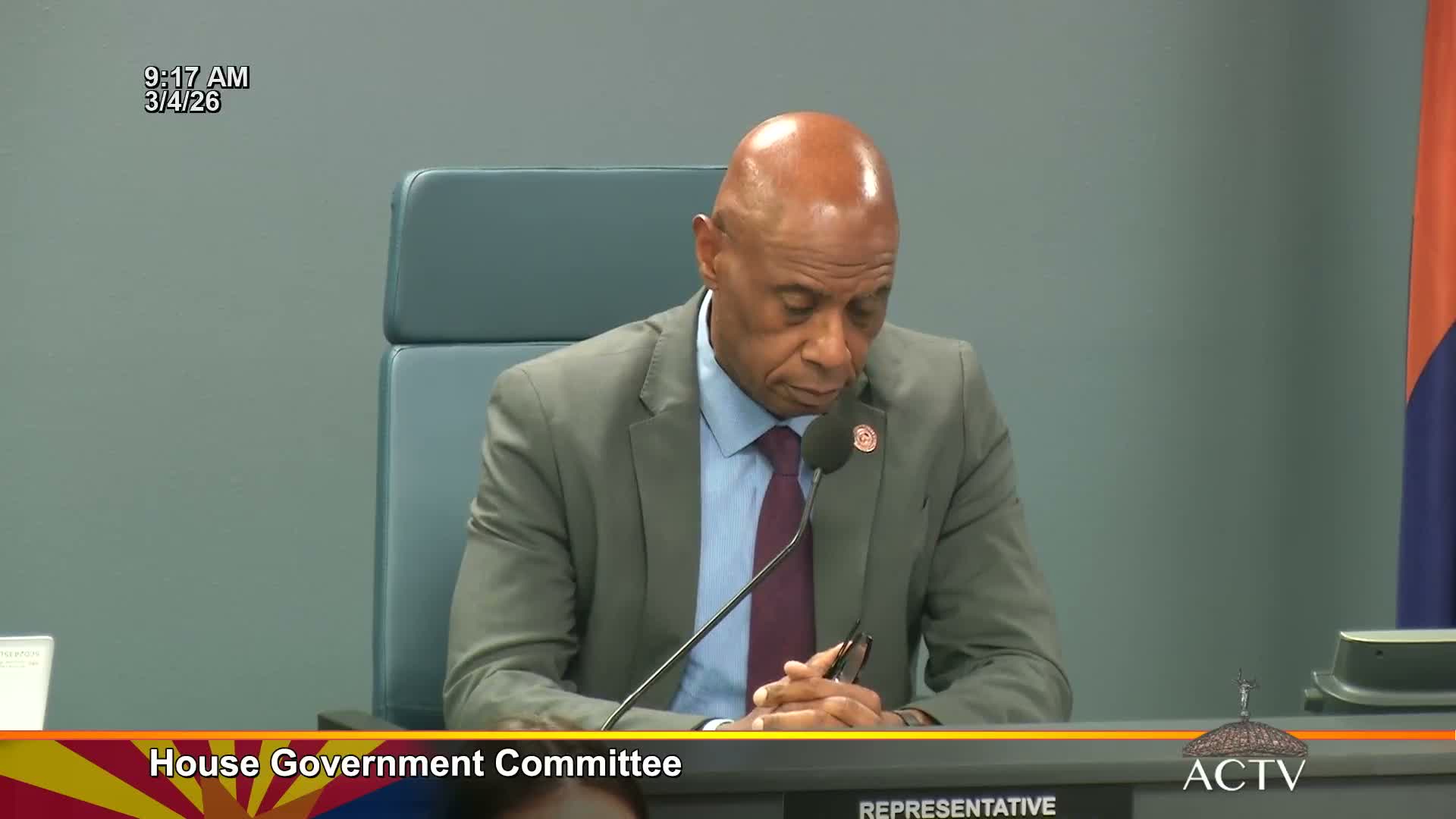
Summary
At a Jan. 23 hearing, DCS Director Catherine Ptak told the House Committee on Government the agency investigated more than 43,000 reports in 2025 and receives roughly 160,000 hotline calls annually. Legislators and advocates pressed the agency on kinship supports, behavioral health access and documentation gaps.
Chairman Blackmon convened the House Committee on Government to review the operation and performance of the Arizona Department of Child Safety (DCS), and to hear presentations and community testimony about how the state is protecting children.
For the record, Catherine Ptak, DCS director, told the committee that in calendar year 2025 "our field staff investigated more than 43,000 cases," a 15% increase from the prior year, and that the agency receives about "160,000 calls a year" to the DCS hotline. She said roughly half of those calls are not reports of abuse or neglect and that screened‑out calls are quality‑assured the same day.
The director described how DCS manages caseloads and placements. She said Arizona places nearly half of children with kin: "Arizona is very, very good at placing with kin," she said, but noted a mismatch between the ages of children entering care and the availability of foster homes that will accept older youth. Ptak described a kinship‑supports contract launched about two years ago that assigns a kinship support worker to unlicensed kin who choose to accept assistance, and said the supports are optional but intended to help families navigate behavioral‑health services and court procedures.
Committee members pressed the director on implementation details. Representative Keshle asked whether unlicensed kin receive the same help for behavioral health needs as licensed caregivers; Ptak replied that "anyone who gets a placement today, a child who is an unlicensed kin, will get a kinship supports person" who can connect the family to services and encourage licensure if desired. On timing, the director explained that behavioral‑health crisis response is co‑located at welcome centers and that rapid assessments are required, with additional referral timelines the agency strives to meet.
Lawmakers also raised issues from the Auditor General's report about missing or incomplete documentation, notices and investigatory steps. Ptak said some missing notices were due to documentation practices and cultural hurdles in the field, and described policy and supervisory efforts to improve staff guidance.
The committee did not vote on any bills. Members asked DCS staff to provide additional data and follow‑up answers; Chairman Blackmon requested that committee staff prepare enforcement mechanisms for potential actions and follow the items raised at the hearing.