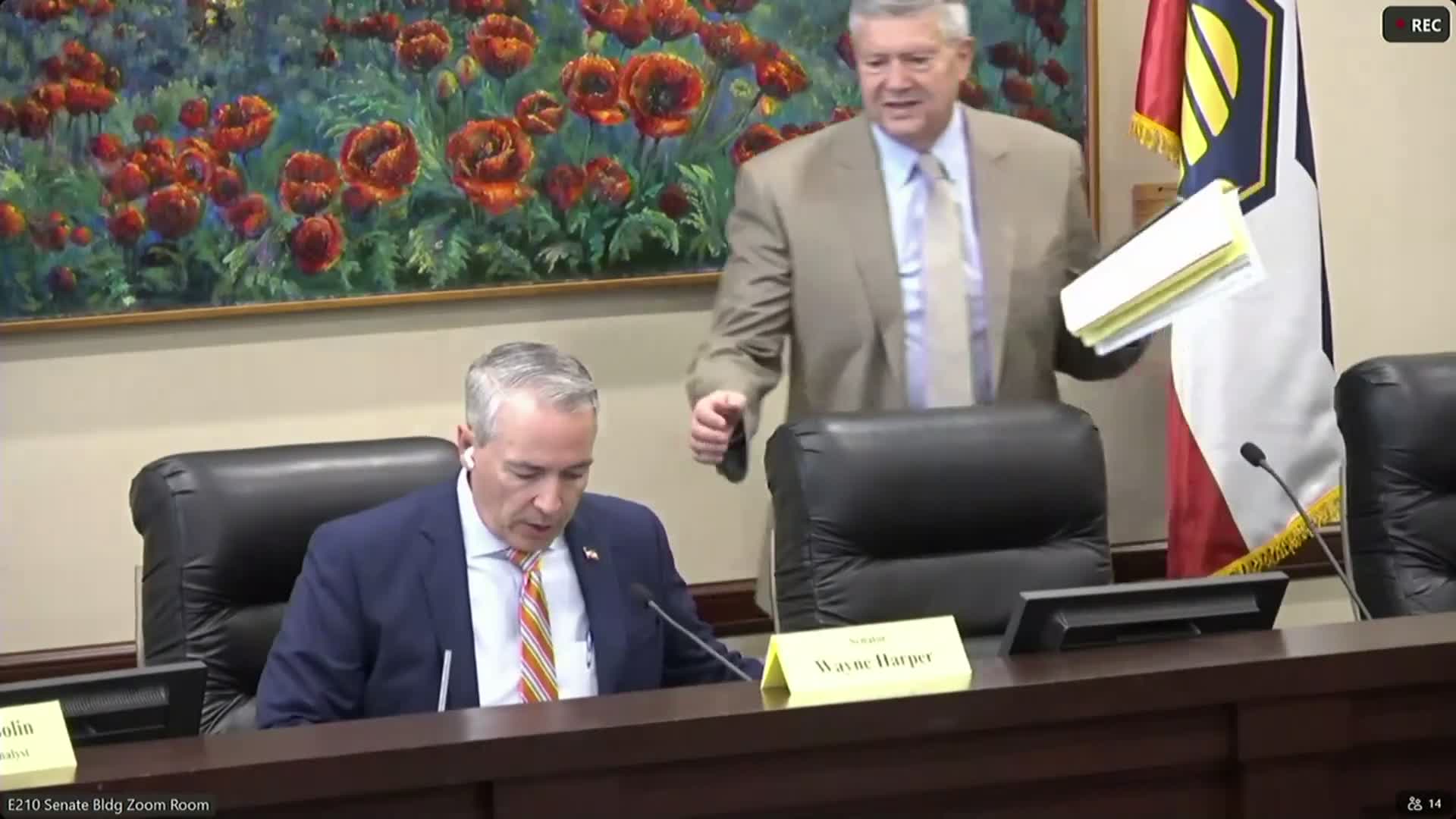
Senate committee advances bill extending paid maternity leave for state employees
Loading...
Summary
The Senate Revenue and Taxation Committee favorably recommended third substitute HB 329, a bill that would extend paid postpartum leave for state employees from six to nine weeks, add adoptive and foster-leave categories, and explicitly protect pumping/breast milk in public. The bill was advanced unanimously to the Senate floor.
A Senate committee on Monday advanced a bill to expand paid maternity and related leave for Utah state employees.
Representative Faye, the bill sponsor, told the Senate Revenue and Taxation Standing Committee that HB 329 would extend postpartum leave for birthing mothers from six to nine weeks, add provisions for adoptive and foster parents and "fill an important legal gap" by protecting pumping breast milk in public. "Utah currently provides 6 weeks of paid leave for new mothers and the research is very clear that that is insufficient," the sponsor said.
Emily Bell McCormick of the Policy Project, who spoke in support, cited international comparisons and research linking paid leave to improved maternal and child health. "Paid maternity leave is actually one of the most studied family policies in the world," she said, noting many other countries provide substantially longer paid leave than the United States.
Several state employees, foster parents and advocates testified in favor. Amy Winder Newton, director of the Utah Office of Families speaking for the governor's office, said the measure is an executive-branch priority and a complement to state employee compensation changes. "Having this extended maternity leave helps us with our overall plan to better retain employees," she said. Rachel Stone, a state employee and foster parent, described the financial strain of unpaid leave and said the bill would allow her to reserve annual and sick leave for routine family needs rather than use it to cover unpaid maternity absence.
Matthew Morris, a state employee and licensed foster parent, urged the committee to consider greater parity for non‑birthing parents and noted foster leave is capped at four weeks per 12‑month period under current drafting. "This bill recognizes that bonding matters," he said, while asking the committee to revisit caps for foster care placements.
Corey Holdaway of the Utah Public Employees Association and other witnesses said the change would improve retention and is viewed by workers as a benefit rather than a reduction in existing protections.
Senator Wilson moved that the committee favorably recommend the bill to the full Senate; the motion passed and the committee advanced the third substitute to the floor unanimously. The committee did not record further changes or an implementation schedule in the hearing record.
If enacted as written in committee, HB 329 would increase the state employee postpartum leave entitlement to nine weeks and add specific leave categories and protections for adoptive and foster placements. The transcript does not specify implementation dates or associated budget impacts for the change.
Authorities and clarifying details noted in committee testimony included references to the Family and Medical Leave Act (FMLA) as the federal framework for unpaid leave and multiple internal policy caps described by witnesses (for example, foster-leave cap of four weeks per 12-month period as discussed by Matthew Morris).