Lifetime Citizen Portal Access — AI Briefings, Alerts & Unlimited Follows
Residents urge pause on Shops at Concord proceedings and press township on trash, taxes and deer control
Loading...
Summary
During public comment, resident Kevin Voigt asked the council to halt Zoning Hearing Board proceedings for the Shops at Concord after Concord Acquisition withdrew its NPDES application and urged denial of Giant's liquor-license transfer; resident Gene Goble pressed the council on tax mix, proposed township-run trash pickup and deer control.
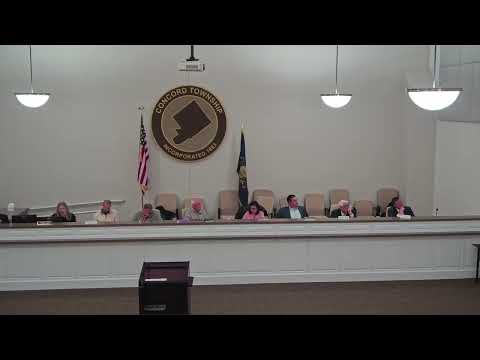
At the March 3 Concord Township meeting, members of the public used the comment period to press the council on the Shops at Concord development and to raise concerns about municipal services and wildlife.
Kevin Voigt, who identified himself as a Concord resident, asked the council to halt the March 18 Zoning Hearing Board continuance related to the proposed shopping center at Ridge Road and Route 202 until the applicant files updated site plans. Voigt said Concord Acquisition had withdrawn its NPDES permit application and argued the ongoing hearing should be paused pending new materials. “Continuing to hold hearings on a site plan that no longer holds relevance, I believe is a waste of township resources,” Voigt said. He also urged council to deny the intermunicipal transfer of Giant’s liquor license for the Shops at Concord, citing what he described as an incomplete administrative record and unresolved PennDOT permitting.
Later in the public comment period, Gene Goble read his Concord Township tax bill and questioned the township’s stated 11-to-1 commercial-to-residential revenue ratio, asking why taxes are not adjusted to increase services for residents. Goble proposed a township-run trash pickup program, suggesting a municipal fee could lower resident costs, and urged consideration of deer population control after several deer-vehicle collisions. Council and the manager responded that trash service is administered as a fee program (not funded through general taxes), that cost and enforcement make municipal trash programs expensive, and that prior review found culling programs can cost tens of thousands of dollars annually.
The council did not take immediate action on the development items or the complaints about municipal services during the meeting; those matters remain subject to the Zoning Hearing Board process, future council consideration, or separate administrative follow-up.