Get Full Government Meeting Transcripts, Videos, & Alerts Forever!
Get email alerts on the Veteran Nutrition topic
No spam. Unsubscribe anytime.
Metro Meals on Wheels warns veteran meals grant will run out in July without more funds
Summary
Metro Meals on Wheels told the House Veterans and Military Affairs Division that a 2023 $1.08 million grant has funded 82,129 meals for over 500 veterans but will be exhausted in July 2026 unless the committee provides additional funding; the program limited new enrollments and reduced meals to five per week to stretch the grant.
Pat Rowan, executive director of Metro Meals on Wheels, told the House Veterans and Military Affairs Division on March 4 that a 2023 appropriation of $1,080,000 funded a pilot to deliver home meals to veterans in the Twin Cities metro area and that the program has served 82,129 meals to more than 500 veterans since launch.
"Since the launch of the project, we've been able to serve 82,129 meals to over 500 veterans," Rowan said, and added the program is operating at reduced capacity. He said the organization stopped enrolling new veterans in July 2025 and reduced the maximum to five meals per week to make the remaining grant funds last. "At this pace, we will run out of funds in July," Rowan told the committee.
Dave Colling, community partnership and contract manager at Metro Meals on Wheels, described how veterans are identified and referred: "Potential recipients are referred to Meals on Wheels through County Veterans Service officers and partner organizations like MACV." Colling said eligibility generally meets at least one of three conditions: age (over 60), food insecurity, or a physical/mental limitation that prevents shopping or cooking. He said some younger veterans qualify through food insecurity or functional barriers, including veterans living in hotels or connected to homeless programs.
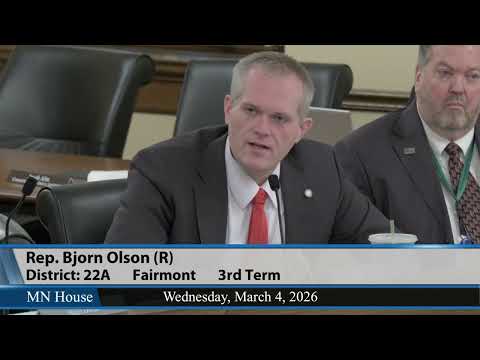
Members pressed for details about eligibility and use of other funding. A committee member asked whether very elderly veterans — one example cited at age 104 — could be moved to Older Americans Act funds. Colling said some veterans technically qualify for Older Americans Act dollars but that program capacity has been limited; unspent Older Americans Act funds that rolled in last September extended services temporarily but did not make the veterans program solvent through 2027.
Rowan and Colling told the panel they are seeking additional funds through federal Older Americans Act grants and general fundraising, but asked the legislature to consider supplemental state funding this session so the program can continue uninterrupted. "If there's any way possible, we urge this committee to commit additional funding this session so we can continue to serve those vulnerable veterans that have served this country," Rowan said.
The committee did not take action on an appropriation at this hearing. The committee chair thanked the witnesses and moved on to the next agenda items.