Get Full Government Meeting Transcripts, Videos, & Alerts Forever!
Get email alerts on the Developmental Disabilities Levy topic
No spam. Unsubscribe anytime.
Butler County board asks Middletown council to back 2-mill levy to preserve disability services
Summary
Cassie Mattia of the Butler County Board of Developmental Disabilities told the Middletown City Council the board is facing a fiscal emergency and will ask voters to approve a 2-mill levy in May to preserve services; she said rising waiver costs mean existing property-tax revenue will not cover mandated supports.
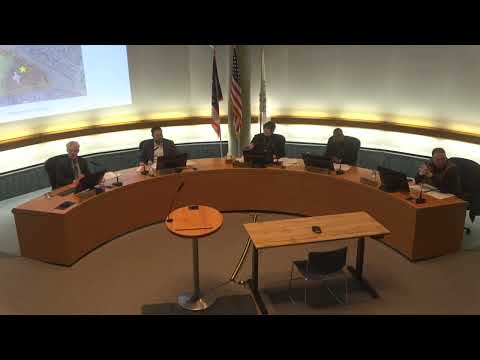
Cassie Mattia, public relations coordinator for the Butler County Board of Developmental Disabilities, told the Middletown City Council on March 2 that the county board will seek a 2-mill levy on the May ballot to preserve services for people with developmental disabilities.
Mattia said the board supports about 4,300 people from birth through adulthood and operates largely on waiver funding. “About 60% of waiver funding comes from the federal government, and 40% comes from local property tax dollars,” she said, adding that costs have far outpaced revenue. The board declared a fiscal emergency in September 2025 and has implemented temporary savings including wage and hiring freezes and cuts to some nonmandated services.
Mattia gave figures the board said illustrate the pressure on its budget: since its last levy passed in 2004 waiver costs have “increased nearly 400,” and the board projects that in 2026 roughly 97.5% of its property-tax revenue will go toward mandated waiver obligations without new funding. She said the proposed 2-mill levy would appear on the May ballot and estimated the tax cost at about $5.83 per month on a $100,000 home, emphasizing the levy “does not expand our services. It preserves them.”
Mattia described the board’s services — early intervention, case management-style service and support administration, employment supports and waiver-funded residential and day services — and said early intervention returns significant social and fiscal benefits. She also described the board’s role as the adult protective services entity for people with developmental disabilities and its partnerships with local employers and providers.
Mattia closed by asking the council and community to partner with the board on accessibility and service preservation and offered to follow up with staff on collaboration opportunities.
The council did not vote on or endorse the levy during the meeting; Mattia’s presentation was provided as part of the city manager reports and public outreach to council members. The levy will require placement on the ballot and approval by voters before it takes effect.