
Trade groups and local governments urge committee to reject repeal of data-center refurbishment exemption
Get AI-powered insights, summaries, and transcripts
Subscribe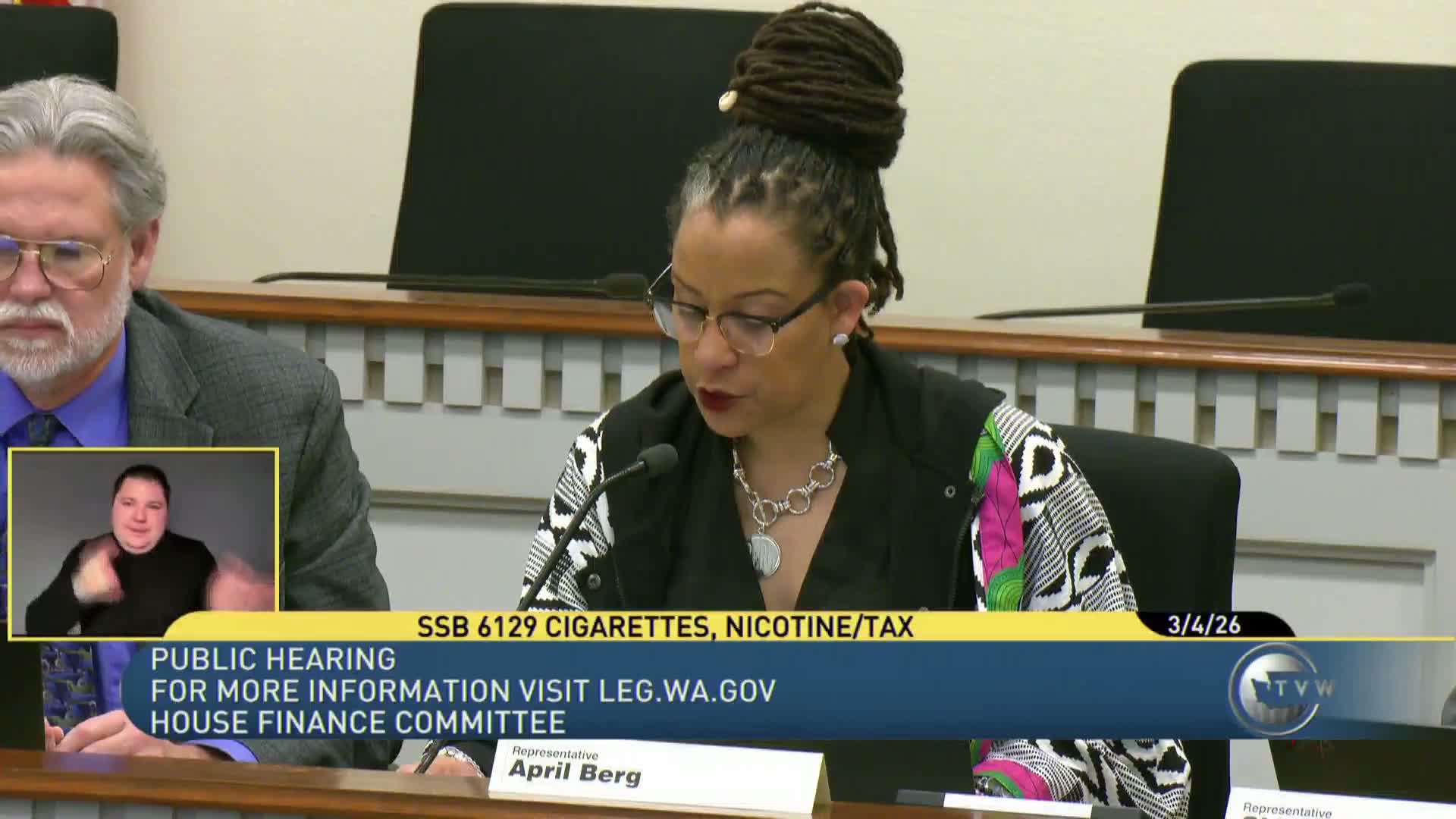
Summary
At a House Finance hearing, testimony opposed SB 62-31’s repeal of the data-center refurbishment sales-tax exemption, with labor, ports and industry witnesses warning of lost construction and ongoing jobs, reduced local tax bases, and competitive harm to Washington; staff presented revised timelines and DOR fiscal estimates.
House Finance heard conflicting testimony on SB 62-31, which would narrow the statewide sales-tax exemption that has supported data-center construction and ongoing replacement activity.
John Brzezinski, staff to the committee, described the bill’s technical changes: it would end issuance of new exemption certificates for certain refurbishment-based projects on set future dates, remove replacement server equipment from the definition of qualifying equipment, and adjust expiration timelines for existing certificates; the Department of Revenue provided draft fiscal estimates attached to the engrossed bill.
Sponsor Sen. Noelle Frame framed the measure as a budgetary choice to end a refurbishment preference she described as legally obsolete and to free revenue for other state priorities. "The choice before you is: do we continue to offer this tax preference to private companies, or do we put approximately $200 million into our budgeting process this year?" she told the committee.
Opponents delivered a steady stream of warnings about job losses and community impacts. Construction and trades groups — including testimony from Matthew Heffner of the electrical workers and Neil Hartman of the plumbers and pipefitters — argued the exemption sustains local jobs and apprenticeships and that removing the refurbishment basis would reduce work opportunities in rural counties. Heffner told the committee, "When we have the program operating, we have jobs. When it's gone, we don't." Charlie Brown of the Data Center Coalition said the bill "upends" investments and raised multiple legal theories (breach of contract, vested rights, equitable estoppel) that opponents expect to be asserted if the law changes.
Local economic-development witnesses and ports told the committee that data centers have driven multibillion-dollar private investment and stabilized tax bases in rural counties; Blake Baldwin of the Chelan Douglas Regional Port Authority cited an assessed-value estimate for local Microsoft campuses. Industry representatives and trade associations emphasized national competition for energy-intensive projects and urged the committee to preserve certainty for long-term capital commitments.
Staff presented Department of Revenue draft fiscal figures estimating cash-receipts impacts for the 2025–27 and 2027–29 biennia and department implementation costs; committee members asked clarifying questions about whether preexisting contracts and in-progress work would retain eligibility. Staff said enforcement and contract disputes would generally be handled under contract law and that legislative changes do not automatically create statutory contractual protections for private bargains.
The committee closed the hearing without taking a vote. Several witnesses asked the committee to continue working with stakeholders in the interim rather than advancing the bill immediately.