
Amazon worker testimony spotlights how workplace monitoring can undermine safety and organizing
Get AI-powered insights, summaries, and transcripts
Subscribe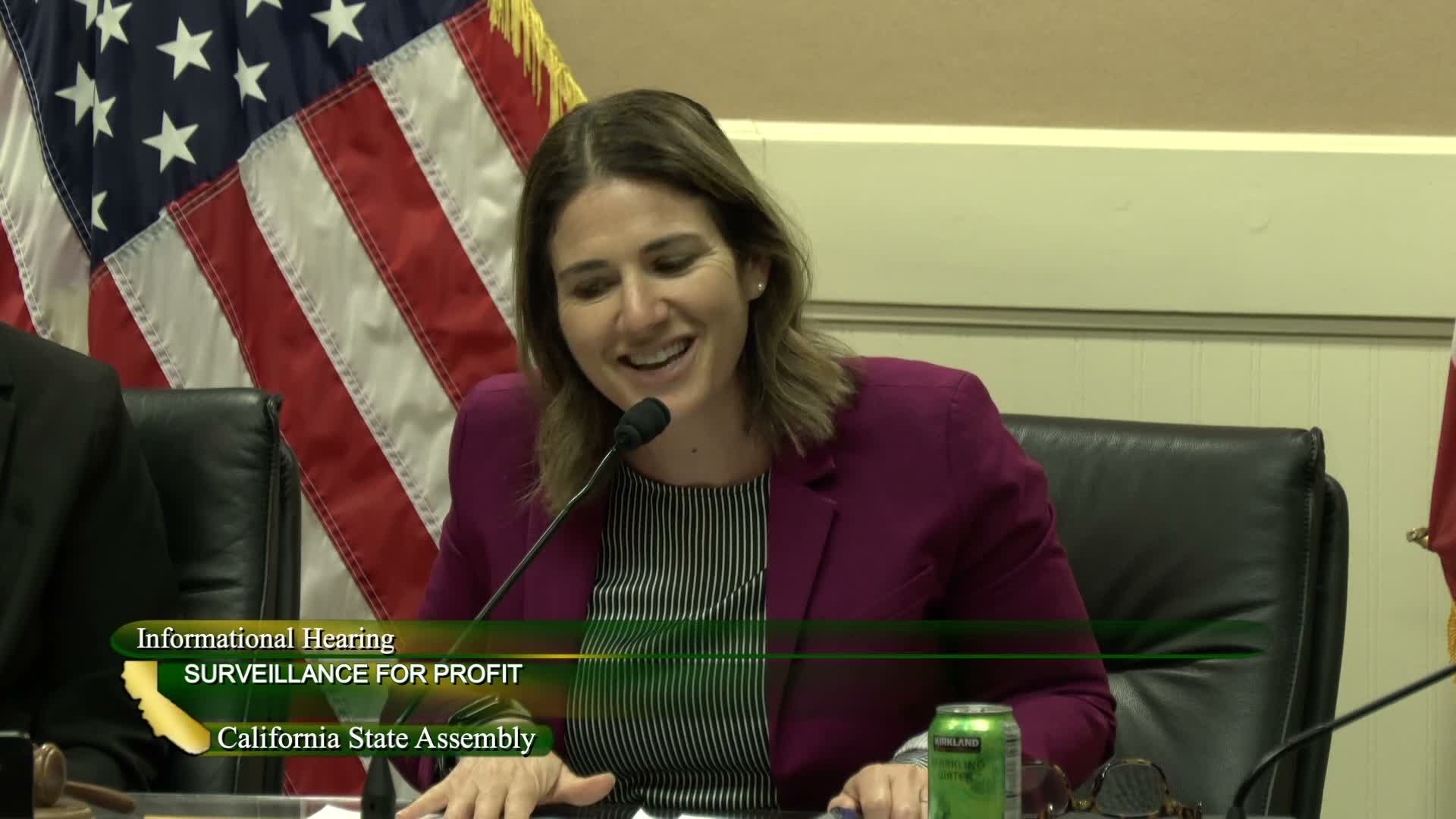
Summary
An Amazon delivery-station worker told a California Assembly committee that handheld devices and 'time-off-task' reports track employees’ locations and discourage breaks and training completion; labor and worker-privacy advocates urged statutory worker-centered protections and enforcement.
At a California State Assembly Privacy and Consumer Protection Committee hearing, Josh Black, a delivery-station worker and organizer, testified about pervasive workplace surveillance at his San Francisco Amazon facility and urged lawmakers to adopt worker-focused privacy protections.
"It lets us scan packages... but also tracks our locations precisely throughout the warehouse," Black said of Zebra mobile computers used on the floor. He described continual 'TOT' (time-off-task) reports that alert management when an associate takes longer than expected between scans; workers said the reports can prompt manager visits that discourage legitimate breaks for restroom use, water, or stretching. Black testified that digital trainings are sometimes forced into tight workflows that prompt rushing through safety materials for fear of triggering a TOT flag.
Black linked surveillance practices to labor and safety concerns: he said selective enforcement of monitoring tools can create de facto quotas despite California’s AB 701, which bars employer quotas that prevent compliance with meal and rest periods. He told the committee that older devices and equipment failures sometimes cause employees to appear off-task and receive reprimands. Black also described driver-facing cameras and AI alerts that can flag normal driving behaviors as 'distracted' and said those systems can lead to multiple disciplinary meetings over trivial events.
Labor advocates at public comment echoed the testimony. Yvonne Fernandez of the California Labor Federation told the committee that surveillance exists "across all industries impacting workers across the board" and called for "worker-centered privacy protections" that prevent employer data harvesting and arbitrary discipline.
Business groups cautioned lawmakers to preserve safety-critical uses of technology. Andrea Lynch of the California Chamber of Commerce urged careful drafting to avoid unintended consequences for systems used for safety monitoring. The committee’s discussion focused on the intersection of workplace safety law and privacy: panelists and members discussed AB 701 and the legislative tools that could reinforce worker rights, including stronger enforcement mechanisms and clearer definitions that prevent surveillance-based discipline that undermines legal protections.
The committee did not adopt legislation at the hearing. Members signaled they will weigh proposals that focus on enforceable worker-privacy rights, clearer limits on collection and retention for workplace monitoring systems, and stronger remedies for workers who are disciplined based on corporate surveillance outputs.