
Committee moves measure to record DMV points for drivers who complete diversion in serious cases
Get AI-powered insights, summaries, and transcripts
Subscribe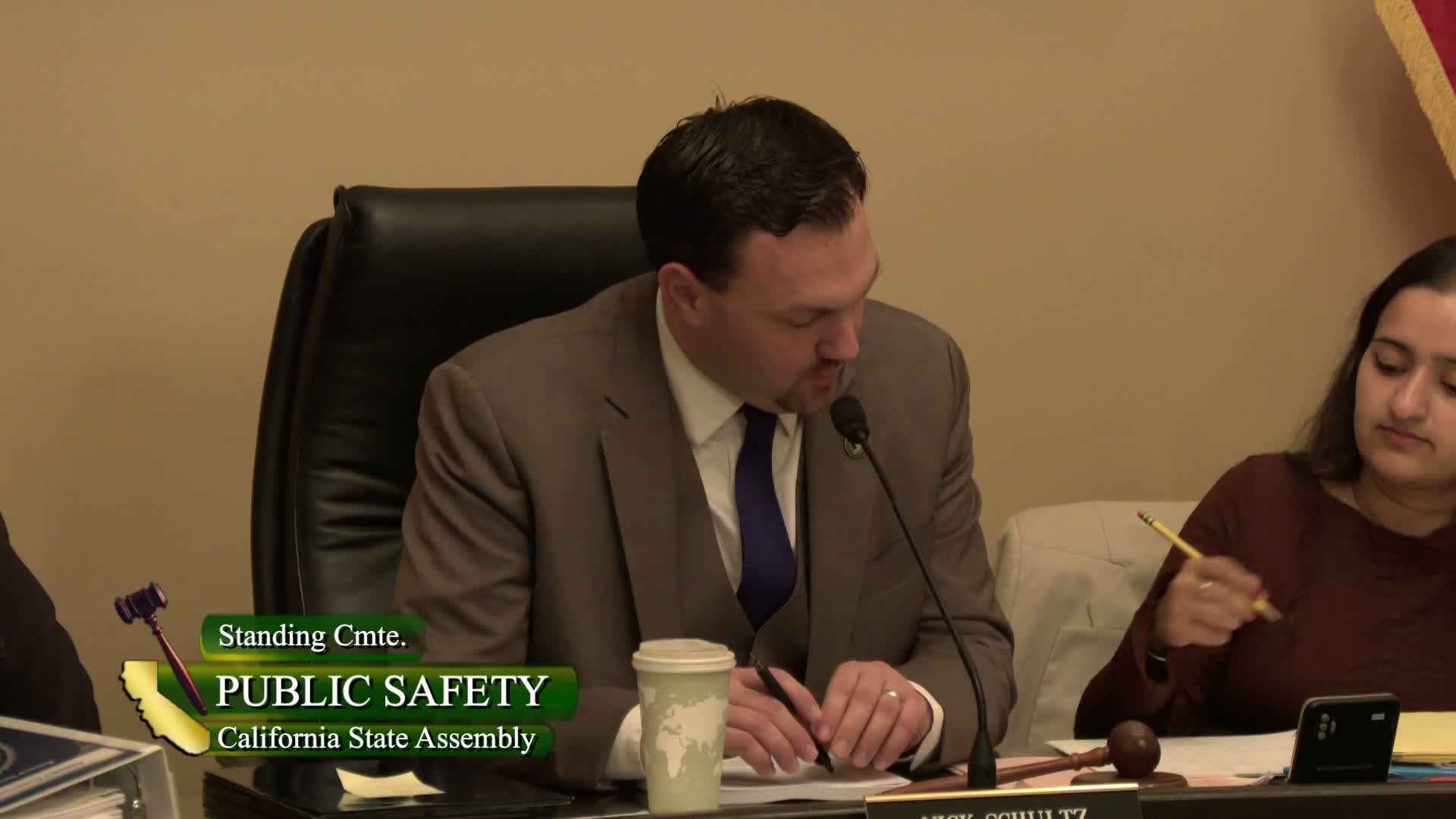
Summary
AB 16 62 would require the DMV to assign points for point‑assessable driving offenses that are later dismissed after successful completion of diversion, a step backers say will help identify repeat dangerous drivers. Opponents warned it punishes legally innocent drivers and could hurt low‑income Californians.
The Assembly Public Safety Committee voted to advance AB 16 62 to the Transportation Committee after a debate about driver accountability and the collateral consequences of diversion.
Assemblymember Wilson said the measure would ensure that point‑assessable conduct — including some cases that resulted in fatal collisions but were later dismissed under misdemeanor diversion — remains visible to DMV monitoring tools used to identify repeat high‑risk drivers. Supporters included the California Police Chiefs Association and the Safe Roads Coalition, who said the administrative point system is a public‑safety monitoring tool distinct from criminal conviction.
Opponents — including legal‑services groups, public‑defender unions and formerly incarcerated witnesses — said diversion is an exit from the criminal system that preserves legal innocence and that applying points would impose severe burdens on low‑income drivers (insurance costs, license loss and job disruption). Nicole James of the Los Angeles Public Defender’s Union warned that imposing points on people who completed diversion would undercut incentives to participate in rehabilitation programs and could have disproportionate effects on families.
Committee members acknowledged the tension between administrative roadway safety tools and protections for diversion participants. Some members added co‑author requests and encouraged the author to work with legal services to mitigate collateral consequences as the bill moves forward.