Texas Supreme Court hears dispute over whether transit statute bars fraud damages in paratransit contract case
Get AI-powered insights, summaries, and transcripts
SubscribeSummary
The court heard arguments in MP/MB Transportation v. GDS Transport over whether a statutory limitation tied to Dallas Area Rapid Transit functions bars monetary damages for alleged fraud by a subcontractor and whether a cited master agreement may be considered at the Rule 91a pleading stage.
The Supreme Court of Texas heard oral argument in MP/MB Transportation v. GDS Transport on whether a statutory provision limiting damages for entities performing functions of the Dallas Area Rapid Transit Authority (DART) prevents a subcontractor from recovering monetary damages for alleged fraud.
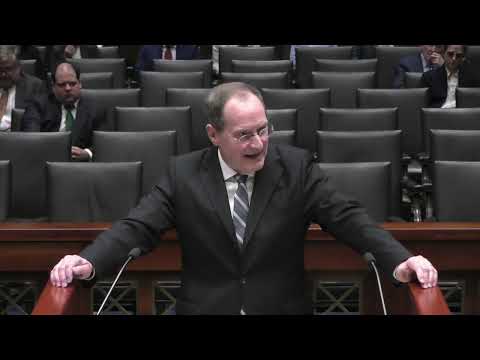
In the morning argument, petitionercounsel (identified in the record as Mr. Obinowski) told the court the appeal challenges an order granting a Texas Rule of Civil Procedure 91a motion that dismissed damage claims for fraud. "This is an appeal from an order granting a full 91a motion, dismissing any claim for damages for fraud," he said, framing the dispute as one that turns on the petition's factual allegations about whether the petitioner performed a DART function.
Respondent counsel, Miss Pendry, urged the court to affirm the court of appeals. She argued that MBT (identified in filings variably as "MP Transportation" and "MB Transportation" in the record) acted as a sales agent for a subsidiary and that the allegations describe fraudulent inducement to a subcontractor rather than an exercise of DART's public function. Pendry told the court the contested master agreement gave MBT broad operational control, warning that accepting petitioner's reading would create a "backdoor" route to bar fraud recoveries and could harm paratransit riders.
A central procedural question at the bench was whether the master agreement that the petition cites may be considered at the Rule 91a stage. Justices pressed counsel on whether a pleading that cites and pinpoints pages of a contract makes that contract part of the pleadings under Rule 59 and therefore properly considered on Rule 91a. One Justice asked, "Why would we not want a court to look at [a contract the parties agree is genuine]?" Counsel for each side disputed whether federal practice under Rule 12(b)(6) should control and whether Texas Rule 91a must be read more narrowly.
The bench also questioned how broadly to define a "function" for purposes of the transportation-code limitation. Petitioner's counsel argued the statutory grant of authority to DART is broad and that the statute equates a contractor's liability with DART's liability for functions DART delegated. Respondent's counsel countered that the particular facts alleged (including promises about trip counts, payment methods and software efficiency) reflect fraudulent inducement and that accepting petitioner's reading would allow entities exercising "total control" to evade monetary accountability.
Justices explored hypotheticals, including whether intentional torts or statutory discrimination claims would avoid the limitation on damages; counsel agreed that intentional torts are treated differently under the Tort Claims Act and that statutory schemes can produce different results. Counsel also debated whether nonmonetary remedies remain available if monetary damages are limited.
The court heard final arguments and the case was submitted for decision; the bench took a brief recess. No ruling was announced from the bench at the argument.
The parties argued principally over statutory interpretation of the transportation-code provision and the procedural threshold for considering a cited contract under Rule 91a. The court will decide whether the pleadings, as framed, permit dismissal of the fraud damages claims at the Rule 91a stage or whether the case must proceed for further fact development.