Get Full Government Meeting Transcripts, Videos, & Alerts Forever!
Get email alerts on the Labor Compensation topic
No spam. Unsubscribe anytime.
Martinez Unified teachers urge board to protect classrooms, press for revenue options
Summary
Teachers and Martinez Education Association leaders told the board during public comment that proposed pay cuts and reduced workdays would harm students, urged the district to seek new revenue (portrayed the Lafayette $290 parcel tax as an example) and demanded compensation for extra special‑education work.
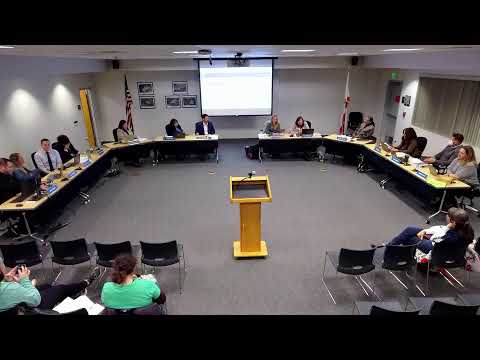
Public commenters at the Martinez Unified School District board meeting on Monday night urged trustees to keep reductions away from classrooms and to pursue revenue options rather than cuts.
“Unless there’s conversations taking place behind closed doors, the appearance is that we’re spending all of our time on how to cut rather than spending any time whatsoever on how to raise more revenue,” said Catherine Hearn, who identified herself as representing the Martinez Education Association and as the parent of a current junior‑high student. Hearn cited Lafayette’s $290 parcel tax and said a modest flat rate would be affordable for many residents.
Mary Rittenhouse, co‑president of the Martinez Education Association, asked the district to prioritize smaller class sizes, fair compensation for work that extends beyond the school day and an end to what she called “the maternity penalty,” where teachers who take parental leave lose step movement on the salary schedule. “If Martinez wants great teachers in every classroom, the district must invest in competitive compensation,” she said.
John Muir second‑grade teacher Jill Lyon and Morello Park fourth‑grade teacher and parent Harmony Connor described rising teacher responsibilities and the classroom effects of previous cuts, including lost library time, fewer reading specialists and reduced counselor availability. Connor said bargaining proposals would remove two paid workdays and asked whether administrators would be asked to take similar reductions.
Board and staff responses: Superintendent Dr. Patrick and later staff members said public input is welcome and acknowledged the district’s fiscal challenges. Trustees suggested advocacy for funding reform at the state level and encouraged community‑level outreach to legislators.
Next steps: The board’s general business that followed included budget presentations and an interim report that staff said will guide decisions about planned cuts and potential offsets; no formal policy changes were adopted during the public‑comment period.