
Lawmakers press DOC on $5 inmate co‑pay, DOC warns of staffing costs if waived
Get AI-powered insights, summaries, and transcripts
Subscribe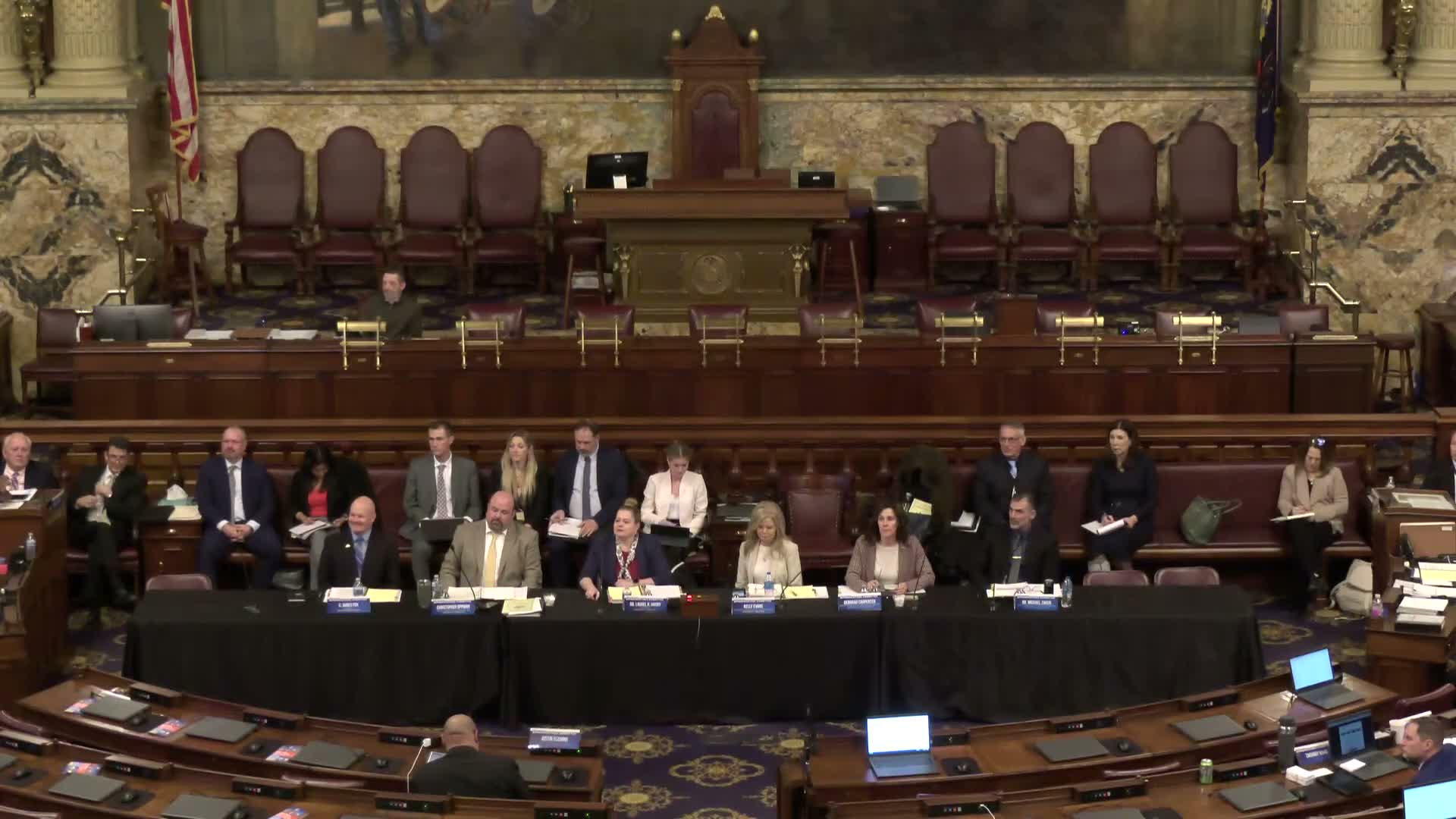
Summary
Legislators questioned whether the $5 inmate co‑pay creates a barrier to care after DOC testimony said waiving the fee previously caused a 25–42% surge in sick‑call use and would require roughly $15 million or more to hire additional practitioners to meet demand.
Lawmakers questioned Department of Corrections officials on whether the statutory $5 co‑payment for inmate sick calls limits access to necessary care and what budgetary changes would be required to eliminate or reduce it.
Representative Codd, who said she is a nurse practitioner, noted that typical inmate wages are about $0.23 per hour and argued that a $5 fee can represent multiple days of labor, creating a financial barrier to care. DOC witnesses said suspending the co‑pay during the COVID response produced a marked rise in sick‑call volume that overwhelmed providers and that removing the co‑pay now would require hiring significantly more practitioners; DOC estimated an increase of "probably 15 plus million dollars" in practitioner costs to meet demand.
DOC representatives clarified that certain services — chronic care clinics, prenatal/postpartum care and mental‑health services — are not subject to the $5 co‑pay under current policy. Department testimony also included a collection figure: roughly $526,000 in co‑pay revenue in the past year, which DOC said offsets the medical appropriation. The department said the co‑pay is intended to deter frivolous sick‑call slips and preserve timely access for chronically ill patients.
Members pressed DOC about the tradeoffs of increased access versus provider capacity. DOC acknowledged other states had removed co‑pays and then struggled with unsustainable demand, and said any suspension would require a clear provider‑capacity plan.
Committee members asked for follow‑up documentation on the costs of expanding provider capacity and for data on how co‑pay exemptions for diagnostics, prenatal care and mental health are applied across facilities. The department said it would provide additional details.