Lifetime Citizen Portal Access — AI Briefings, Alerts & Unlimited Follows
Lincoln commissioners weigh in-house loan fund versus state program for lead service replacements
Loading...
Summary
Commissioners discussed options to finance lead service-line replacements: use the state Infrastructure Bank (with reporting requirements) or create an in-house revolving loan fund that would pay contractors directly and collect repayment on water bills.
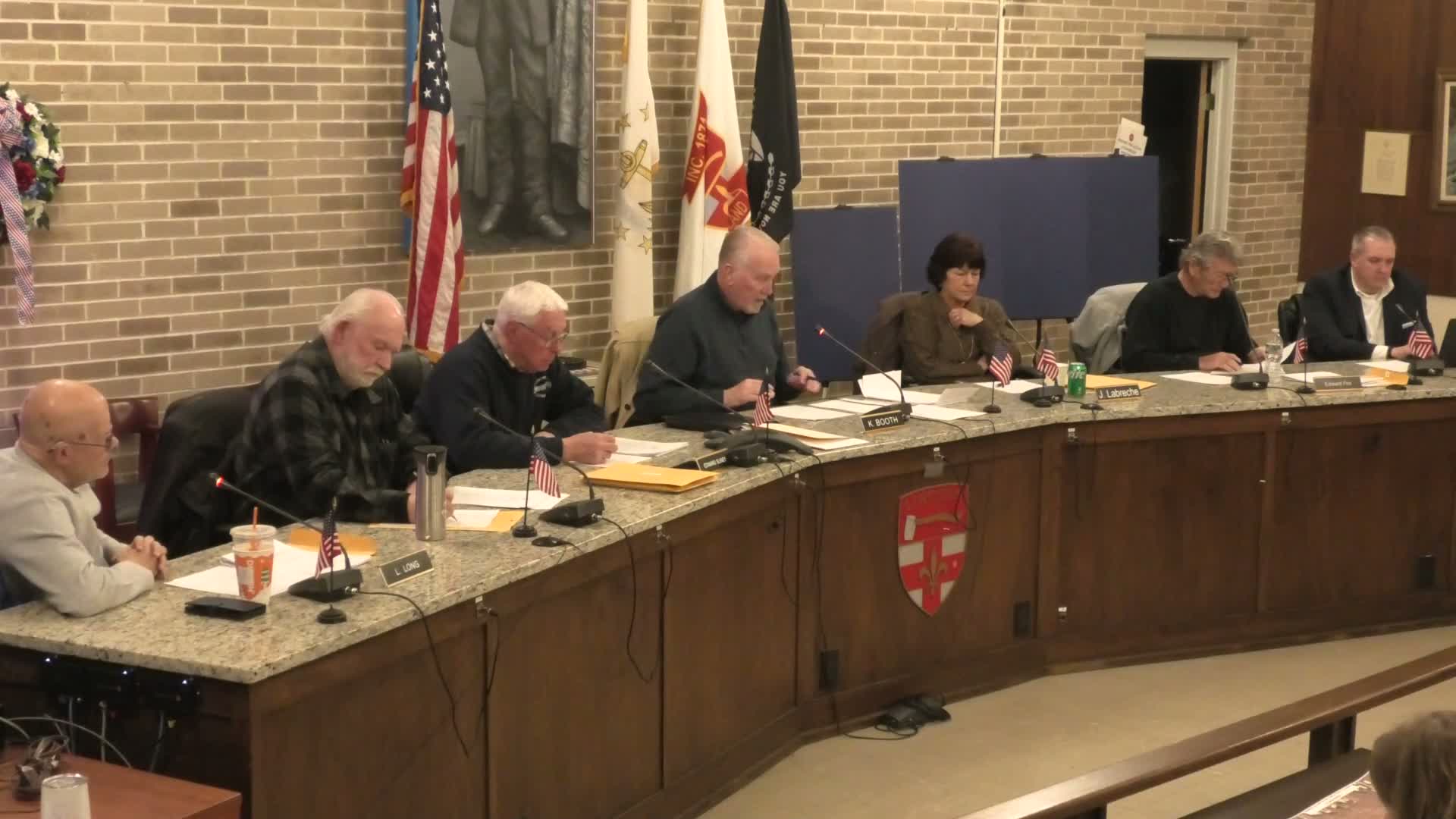
Lincoln — The commission debated options to implement a lead service-line identification and replacement program, weighing the state Infrastructure Bank’s structured loan/grant route against an in-house revolving loan fund that the town would manage.
The chair explained the mechanics: under an in-house model the town would pay the contractor directly and bill the homeowner over time through water bills, adding a lien to the property for defaults. The chair gave a ballpark example of a contractor cost of $4,800 and noted the town has been offered about $270,000 through the Infrastructure Bank; Providence was cited by the chair as having roughly $22,000,000 in regional funds that would trickle down.
Why it matters: commissioners said the program will add administrative burden to office staff but could be more flexible than the state program, which requires monthly repayments and heavy reporting. The chair urged setting a budget line for a revolving loan fund in the coming year so the town can act efficiently when street projects are undertaken.
Key details: the program will require updated records (the town’s portal and mapping have many unknown service-line materials). Under the proposed in-house loan the town would create a charge line on the utility bill for repayments; the commission could turn off water service if a homeowner defaulted and could place a lien on the property. Staff will test the new billing system to ensure it can create the necessary charge line.
Next steps: Chair said staff (including Chris and Anna) will confirm billing-system capacity and will return with a proposed program structure and a possible vote in a future meeting (the chair suggested aiming for the coming budget cycle). No final policy or vote was adopted at this meeting.
Representative quote: the chair said homeowners could ‘‘get a 10 year or 5 year no interest loan’’ to pay for replacements under the proposed models.