
Senators call joint hearing after disclosure of confidential voter information
Get AI-powered insights, summaries, and transcripts
Subscribe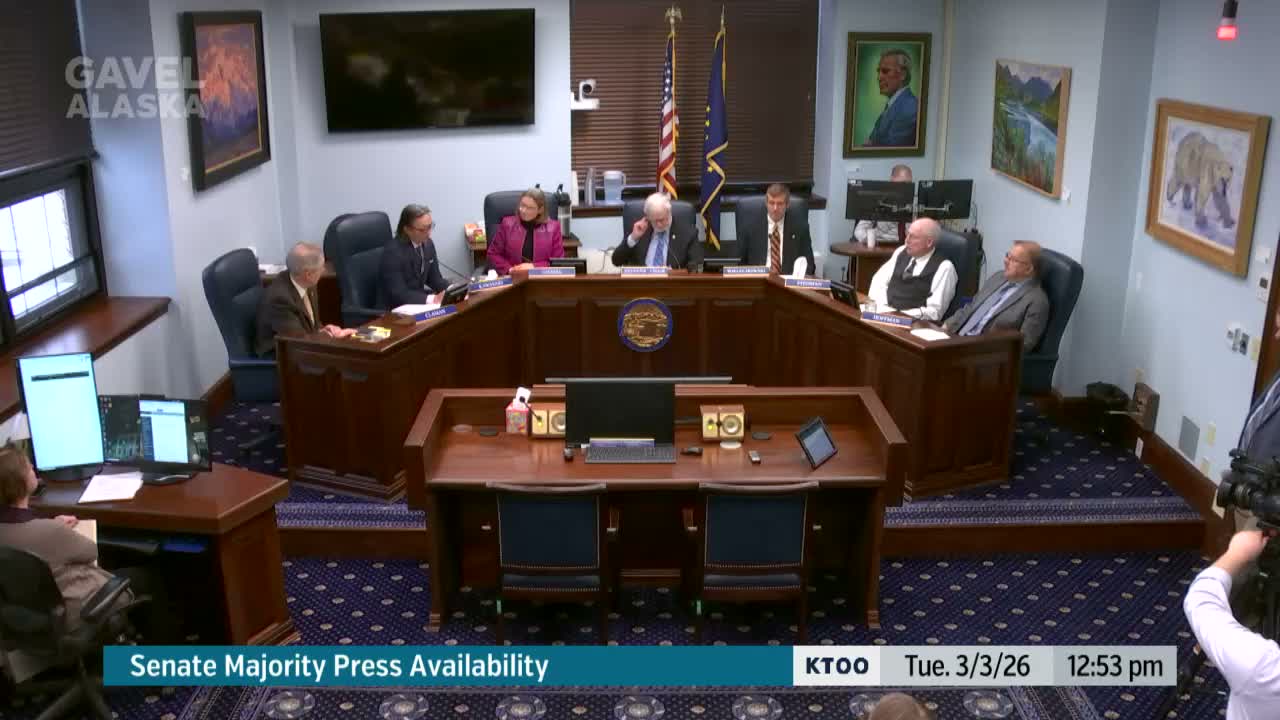
Summary
Senators announced a joint Senate State Affairs and Judiciary hearing to investigate why the Division of Elections shared voter information with the federal government and what confidential data were included; witnesses will include the Division director, legislative counsel and an elections expert.
Senator Kawasaki and Senator Clayman said the Senate will hold a joint hearing of State Affairs and Judiciary to get answers about a confidential memorandum of agreement that appears to have resulted in the state sharing voter information with the federal government.
"We're trying to get answers to the public on what confidential voter information was actually released to the federal government," Senator Kawasaki said, adding the disclosure has prompted constituent calls and concern over privacy. Kawasaki described the memorandum as signed around the holiday period before the legislature returned to Juneau.
Senator Clayman emphasized Alaska’s constitutional privacy protections, citing Article I, Section 22, and raised alarm that data elements generally associated with identity theft — portions of Social Security numbers, dates of birth and driver's‑license information — appear to have been disclosed. "I have lots of concerns with that," Clayman said. "I want to learn more about how the administration made the decision to release that information."
Senators told reporters that both the attorney general and the lieutenant governor declined invitations to testify; the committees expect an assistant attorney general, Carol Beecher (Division of Elections director), Andrew Dunmeyer from legislative legal services and David Becker, an election‑security expert based in Washington, D.C., to appear.
Reporters asked whether the issue will break along party lines; Kawasaki said she does not expect the matter to be partisan and said the priority is determining what data were transmitted, where the data are stored and how they are being protected. Clayman said the committees will want confidence that any transmission will not result in improper disqualification of Alaskans’ voting rights.
The joint hearing is scheduled for the following day; senators said it will focus on the legal authority for the information transfer, exactly what fields were sent, who the federal recipients are, and what protections are in place for that data.