
House rejects homelessness omnibus bill after debate over local control and mitigation funding
Get AI-powered insights, summaries, and transcripts
Subscribe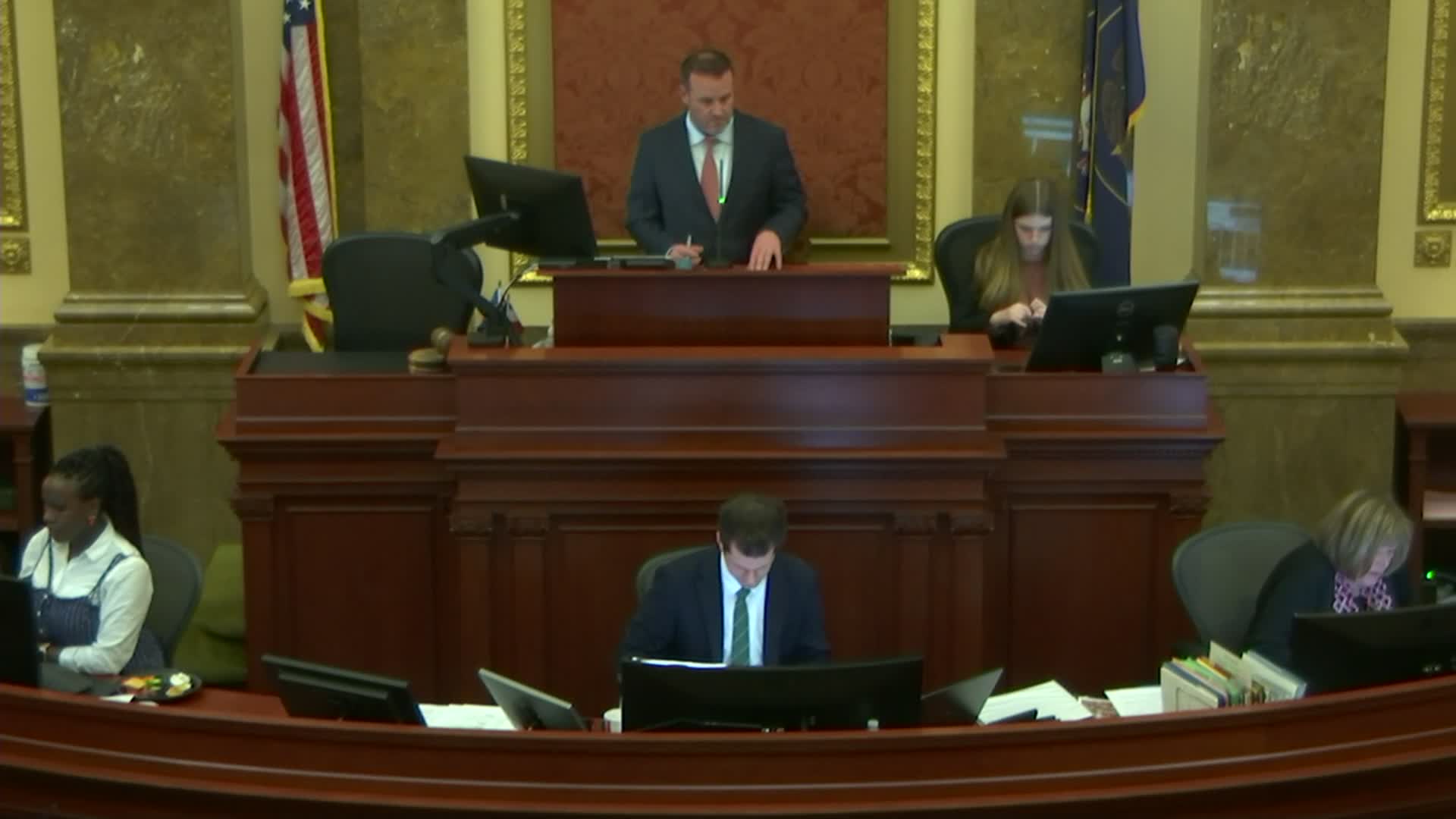
Summary
First substitute HB 596, an omnibus homelessness bill proposing shelter flexing, mitigation fund adjustments and an interim work group, failed in the House 34-37 after members raised local-control and funding-concerns.
The House on March 3 defeated first substitute HB 596, an omnibus measure that would have allowed existing homeless resource centers to operate certain winter-response flex options year‑round, adjusted a shelter‑city mitigation formula for communities hosting shelters and created a work group with the League of Cities and Towns to consider longer-term mitigation changes.
Representative E. Eliason (sponsor) described the bill as a negotiated package involving shelter providers, cities, law enforcement and philanthropic partners and said it was designed to address capacity pressures without appropriating new money. He said the measure would permit limited one‑year flexibility, amend a mitigation fund formula for cities that host shelters, and create an interim work group to recommend longer-term changes.
Representative Peck told the House he supported efforts to help people experiencing homelessness but feared the bill could allow the state to encroach on municipal authority and leave host communities with disproportionate burdens if funding did not follow services. Representative Kyle asked for clarification on tax and funding implications; the sponsor said the bill does not raise taxes and that recent executive appropriations funding likely makes some bill components unnecessary.
After floor debate, the clerk reported the vote: first substitute HB 596 failed the House 34 yes, 37 no and was sent to staff for filing. Supporters and opponents cited competing priorities — protection of local control vs. statewide strategies for shelter capacity and mitigation funding — and sponsors signaled the work group and budget allocations may address some concerns going forward.
Why it matters: the bill would have changed how shelter capacity and mitigation costs are handled between state and local governments. Opponents warned that municipal consent and funding protections are vital to avoid shifting costs to host communities.