Senate approves Medicaid provider rate increases and new incentives in SB 288
Loading...
Summary
The Senate passed a fifth substitute to SB 288 that directs targeted provider rate increases and creates incentive payments tied to quality metrics, funding allocations in the bill total several million dollars across multiple Medicaid provider types.
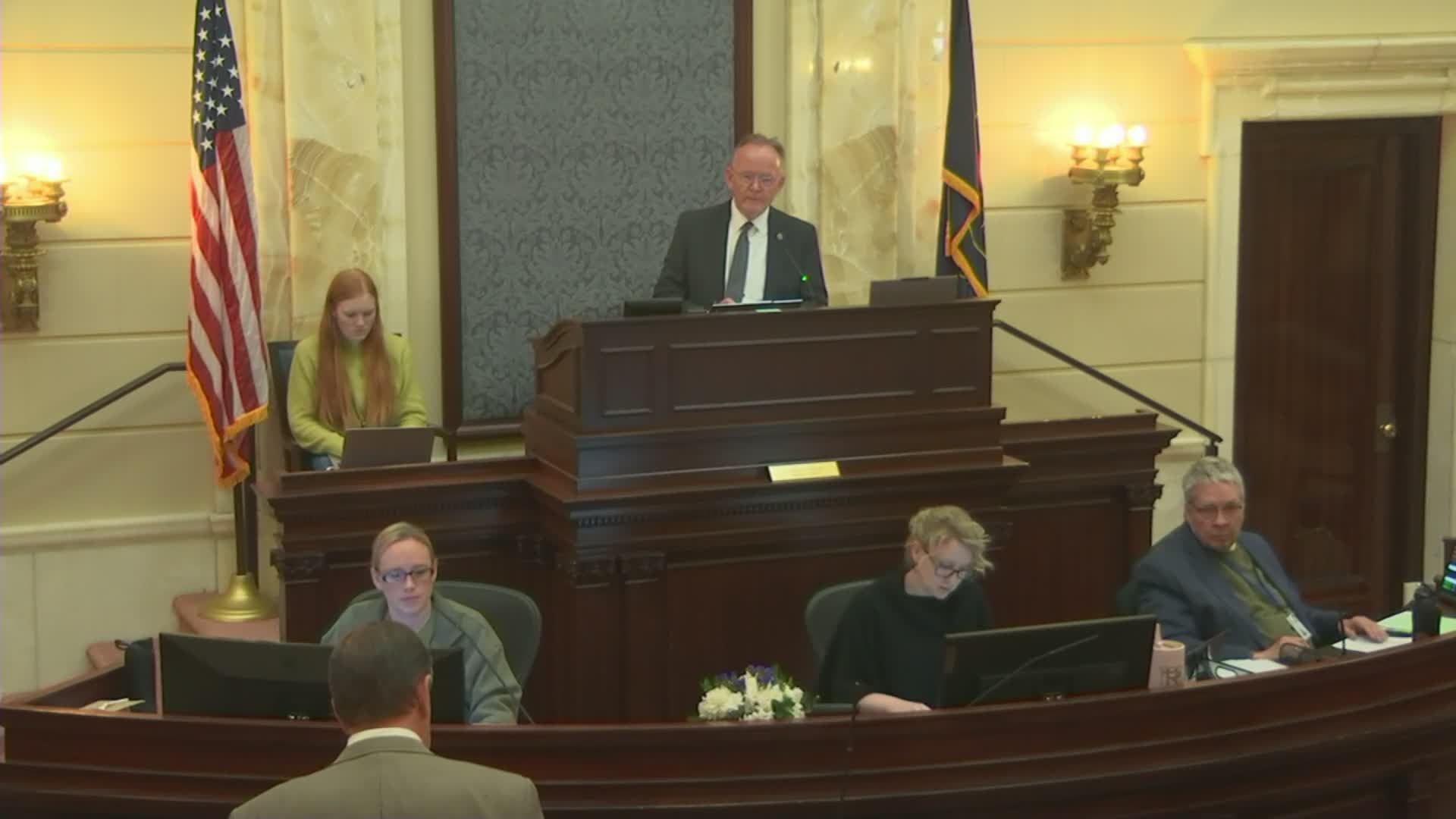
The Utah Senate unanimously passed the fifth substitute to Senate Bill 288 on an evening floor session, advancing a package of Medicaid provider rate increases, incentive payments and quality-control measures designed to stabilize payments to social-service providers.
Senator Stratton, sponsor of the substitute, said the legislation charges the agency with quality measures and creates an annual incentive-payment program. He summarized the year-one funding plan: roughly $1,900,000 for private duty nursing and home health, $2,000,000 for an HCBS new choice waiver, $2,000,000 for personal care rate increases, $4,000,000 for DSPD rate increases, $2,000,000 for foster care provider increases and $2,000,000 for nursing-home rate increases.
Stratton framed the substitute as a consensus package arrived at with stakeholders and fiscal staff, intended to reduce volatility in funding and provide predictable incremental increases for providers who meet quality requirements.
Senators asked whether the fiscal note had been funded; Stratton said the amounts were included in the building-blocks portion of the budget. After brief questions and no recorded opposition, the fifth substitute passed by recorded roll call (27 yea, 0 nay, 2 absent) and will be sent to the House for consideration.
The sponsor said the bill aims to create certainty and stabilize pay for “heroes … helping those who are in greatest need,” while critics (when present) had pressed about precise fiscal sourcing and oversight mechanisms. The legislation specifies both allocations and responsibilities for agency quality-control work going forward.