
Senate rejects bid to ban routine traffic enforcement by unmarked vehicles
Get AI-powered insights, summaries, and transcripts
Sign Up Free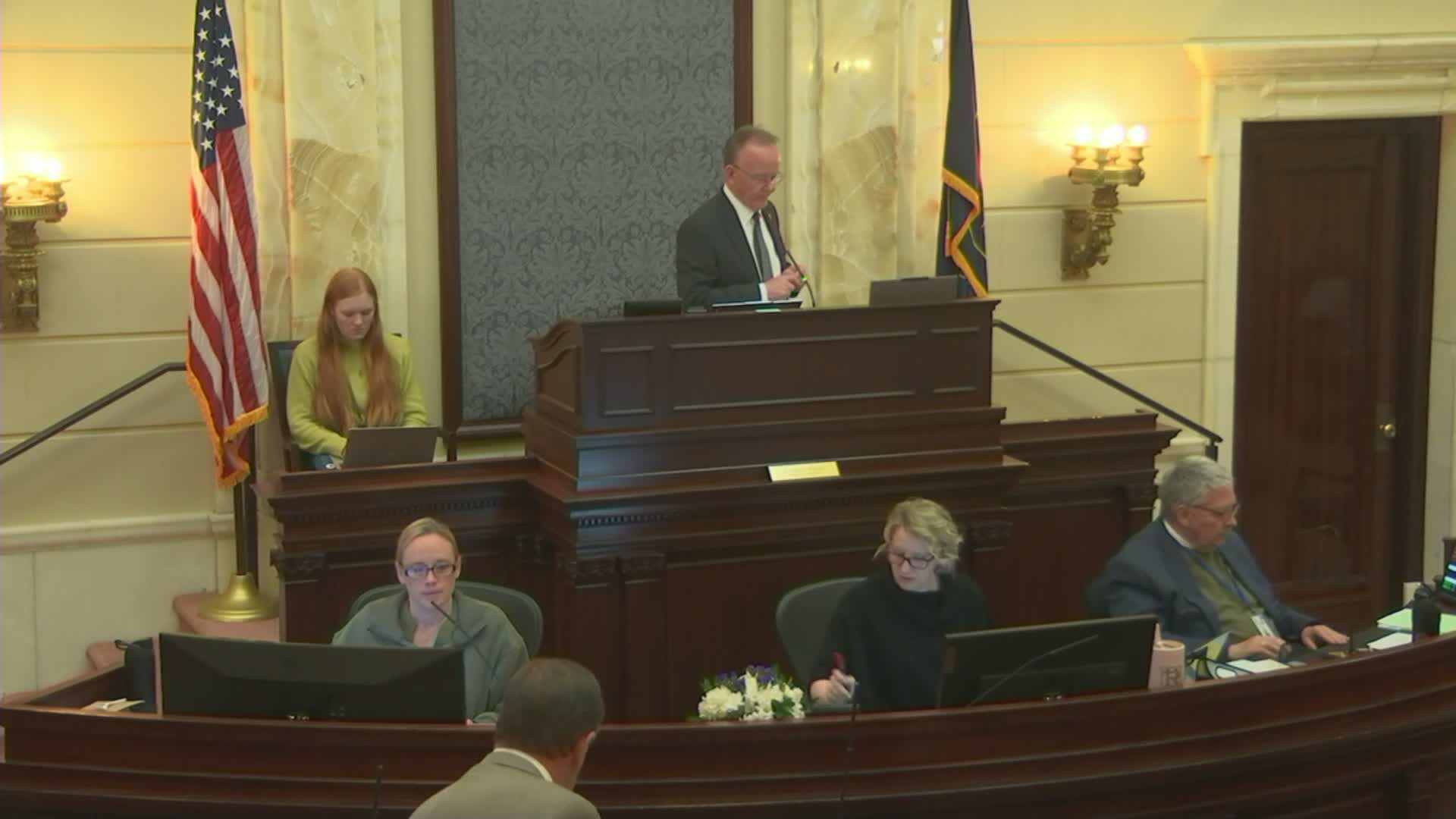
Summary
After hours of debate on public-safety and policing trade-offs, the Utah Senate voted down the third-substitute to SB 262, a measure that would have limited routine traffic enforcement by unmarked vehicles to certain narrow operations.
The Utah Senate on an evening floor session failed to pass third substitute Senate Bill 262, a proposal backed by its sponsor to end routine traffic enforcement with unmarked vehicles and limit those vehicles’ use to specific public-safety operations.
Senator McKay, sponsor of the measure, told colleagues the goal was “to end a practice of using unmarked vehicles for traffic enforcement” and to refocus patrols on visible policing for safety rather than covert speed enforcement. He cited research suggesting visible police presence improves road safety and said the language preserves unmarked usage for DUI enforcement, specialized operations and other listed exceptions.
Opponents argued the bill would remove necessary tools from law enforcement. Senator Owens said he had “serious concerns” and flagged opposition from local sheriffs; he added a personal conflict, noting a family member in law enforcement and warning that the bill risked micromanaging police tactics. Senator Ibsen said removing the tool could hinder officers who encounter dangerous drivers while off duty.
Supporters emphasized growing incidents of impersonation and concerns for vulnerable motorists. Senator Escamilla said committees heard that impersonation of officers is rising and that women in particular have expressed fear about being stopped by indistinct, unmarked vehicles.
The Senate voted to return the bill to staff; the clerk announced the third substitute, Senate Bill 262, received 8 yea votes and 18 nay votes with 3 absent, and it failed to pass.
The measure’s opponents argued it risked reducing law-enforcement flexibility; supporters said it addressed public-safety anxieties and impersonation risks. With the bill returned to staff for filing, the subject may resurface in committee or in future drafting.